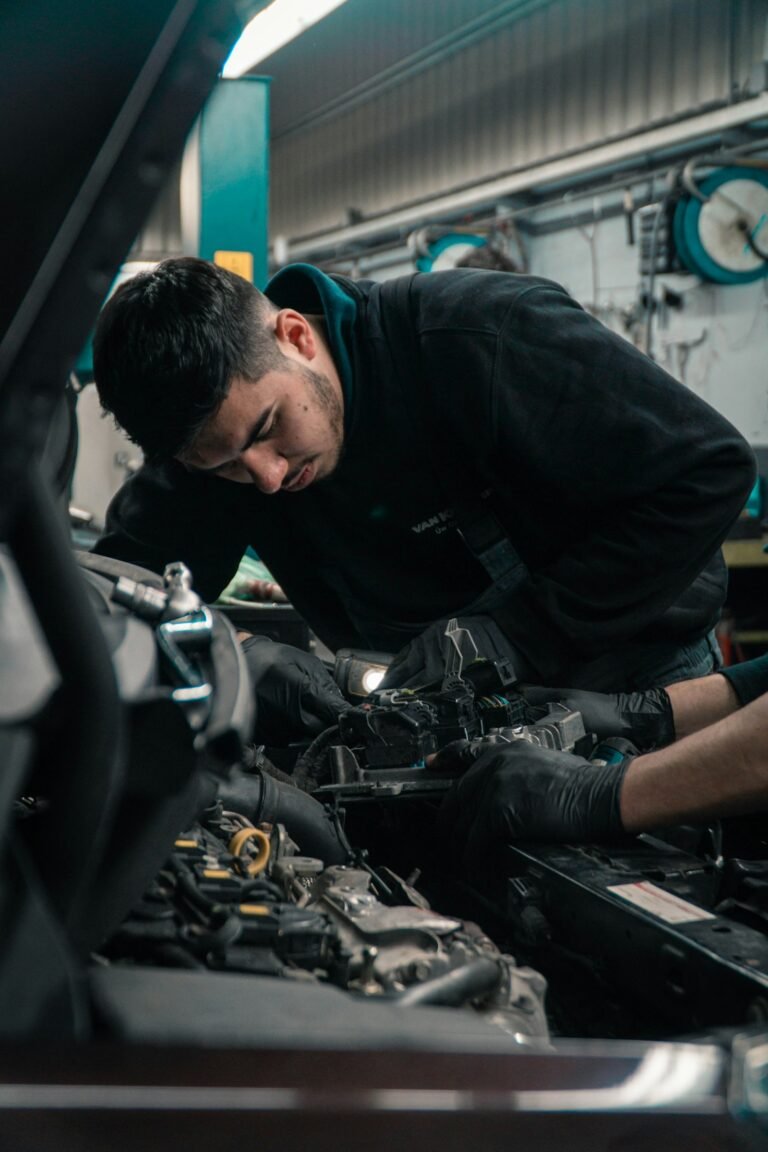
Buying a used car can save thousands compared with buying new, but it’s also where expensive surprises hide. A shiny paint job can cover rust, a recent oil change can mask an engine problem, and a seller’s “no issues” can mean “no issues I’m telling you about”.
You don’t need to be a mechanic to avoid most bad buys. This used car inspection checklist walks you through 25 checks in the order you’d do them: paperwork, outside, under the bonnet, inside and on the road. Once you’ve bought the car, our car maintenance schedule will help you keep it in good shape.
Before You Visit: Paperwork and History
1. Check the vehicle history. Use the Vehicle Identification Number (VIN) to get a history report covering past accidents, title problems, mileage records and previous owners.
2. Look for open recalls. Enter the VIN on the US National Highway Traffic Safety Administration’s recall lookup. Unrepaired safety recalls should be fixed, usually free at a dealer.
3. Ask for service records. Regular oil changes and major services (like timing belt replacement) are signs of a cared-for car.
4. Confirm ownership. Make sure the seller’s name matches the title or registration document, and check whether there’s outstanding finance on the car.
5. Research common problems. Search for known issues with that make, model and year, such as transmission faults or oil consumption.
Outside the Car
Inspect in daylight, on dry, level ground. Rain and darkness hide a lot.
6. Walk around slowly. Look for mismatched paint colours, uneven gaps between panels, or overspray on rubber seals, which suggest accident repairs.
7. Check for rust. Look at wheel arches, door bottoms, sills and under the boot carpet. Surface rust is common; bubbling paint or holes are serious.
8. Inspect glass and lights. Chips in the windscreen can spread, and cracked lights may fail inspection. Check that all lights work, including indicators and brake lights.
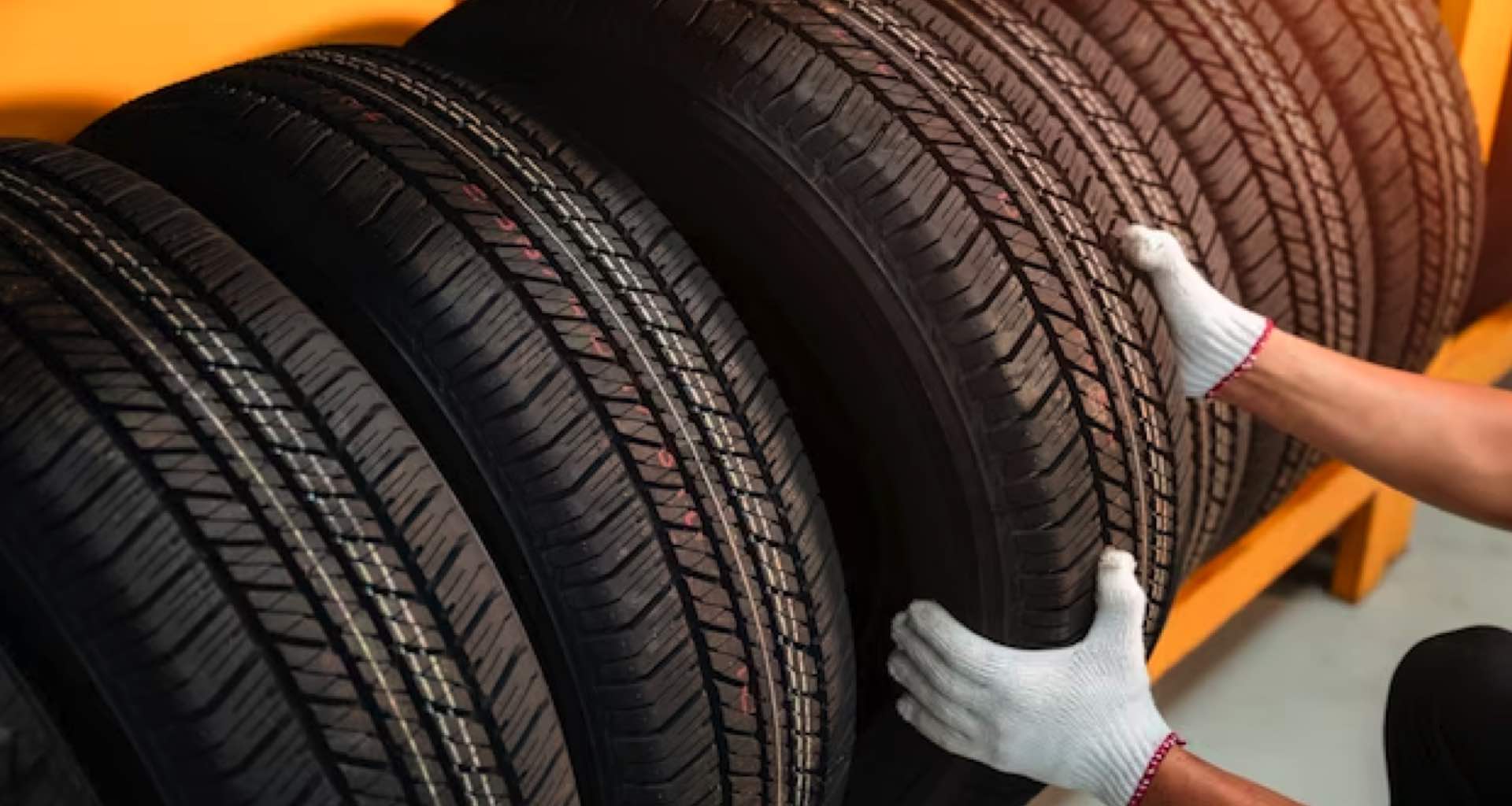
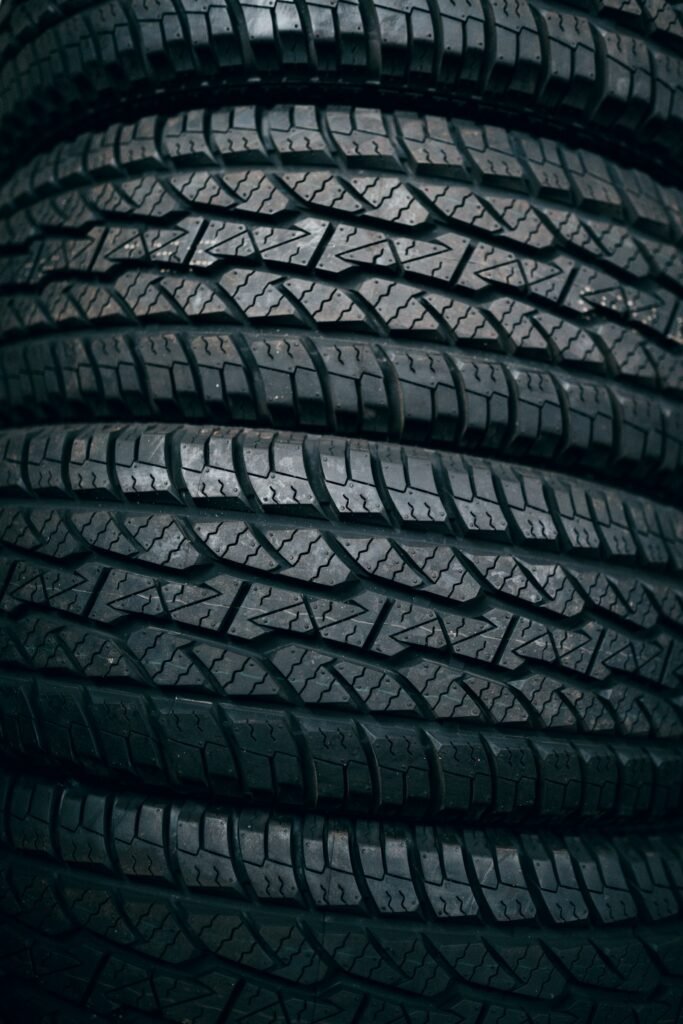
9. Examine the tyres. Check tread depth on all four tyres and the spare. Uneven wear, such as more on one edge, can point to alignment or suspension problems. Mismatched brands on the same axle are a minor warning sign.
10. Look through the wheels at the brakes. Deep grooves or a heavy lip on brake discs suggest replacement is due soon.
11. Check under the car. Look for fresh drips of oil, coolant or brake fluid on the ground, and for damaged or rusty exhaust parts.
Under the Bonnet
Ideally, inspect the engine cold. A seller who has warmed the car up before you arrive may be hiding a starting problem.
12. Check the oil. Pull the dipstick: oil should be between the marks and not black and sludgy. A milky, light-brown residue under the oil cap can indicate a head gasket problem.
13. Check coolant. It should be at the correct level and a clean colour, not rusty or oily.
14. Inspect belts and hoses. Look for cracks, fraying or bulging.
15. Look at the battery. Check for corrosion on terminals and the date on the battery if visible.
16. Watch for leaks and fresh cleaning. An engine that’s spotless while the rest of the car is dirty might have been cleaned to hide leaks.
Inside the Car
17. Match wear to mileage. A worn steering wheel, pedals and driver’s seat on a car with very low mileage can suggest the odometer has been altered.
18. Test every electrical item. Windows, mirrors, locks, air conditioning, heating, infotainment, seat heaters, cameras and sensors.
19. Check the warning lights. When you turn the key, dashboard lights should briefly illuminate and then go out. A light that never comes on may have been disabled.
20. Smell and look for damp. Musty smells or damp carpets can indicate leaks or flood damage.
The Test Drive
Drive for at least 20 minutes, on different roads, including some faster driving if safe.
21. Start from cold. Listen for rattles, knocks or excessive smoke on startup.
22. Check the gearbox. Manual: clutch should engage smoothly without slipping. Automatic: shifts should be smooth without delays or jerks.
23. Test the brakes. The car should stop straight without pulling, vibrating or grinding.
24. Feel the steering and suspension. The car should track straight. Clunks over bumps or a loose feeling can mean worn suspension parts.
25. Recheck after the drive. Look under the car for new leaks and recheck warning lights now that the engine is hot.
Red Flags That Mean Walk Away
- The seller won’t let you see the car cold or take a proper test drive
- The title or registration doesn’t match the seller’s ID
- The history report shows flood, salvage or major accident damage you weren’t told about
- Mileage records don’t add up
- The seller pressures you to decide immediately or pay a deposit before inspection
- The seller refuses an independent mechanic inspection
Get a Professional Inspection
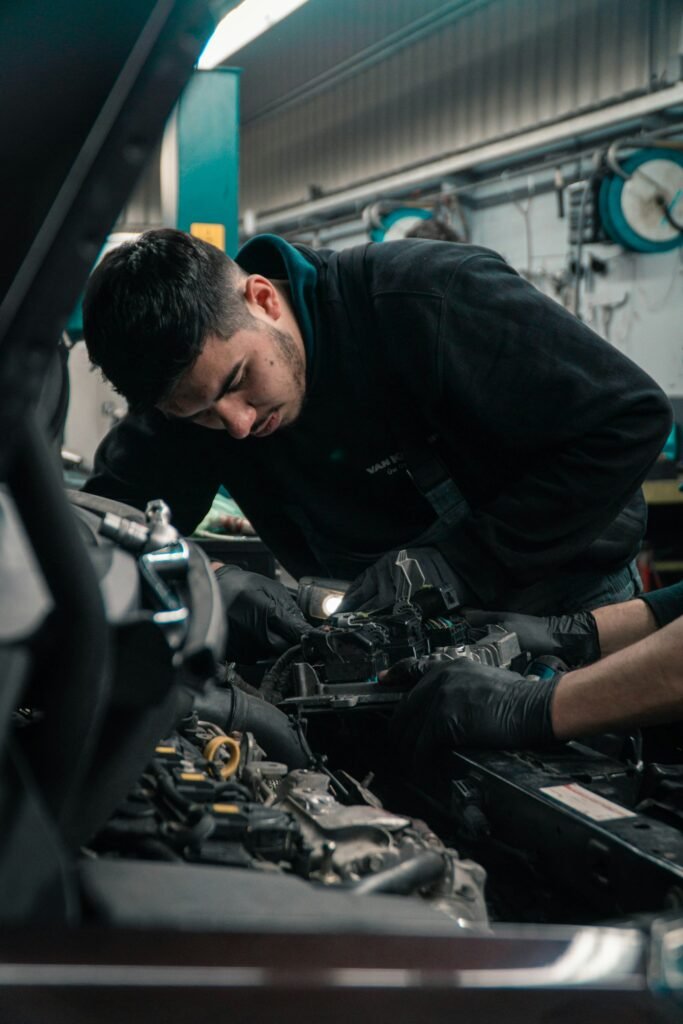
For any car you’re serious about, a pre-purchase inspection by an independent mechanic is worth the fee. They can lift the car, read stored fault codes and spot problems a buyer can’t. A reluctant seller is a warning sign in itself.
Negotiating Based on Your Findings
Use what you find as leverage: worn tyres, brakes due soon or a missing service record all justify a lower offer. Get repair estimates where possible and present them calmly. If you’re buying a car for your business, understanding the impact on your accounts helps too; our guide to reading a profit and loss statement shows where vehicle costs appear.
Paperwork to Complete When You Buy
- Bill of sale: with the price, date, VIN and both parties’ details.
- Title transfer: follow your state or country’s process exactly to register the car in your name.
- Insurance: arrange cover before you drive away.
- Service records and spare keys: collect everything the seller has.
Pay by a traceable method such as a bank transfer or cashier’s cheque, and avoid carrying large amounts of cash to meet a stranger.
Frequently Asked Questions
How many miles is too many for a used car?
Condition and maintenance history matter more than mileage alone. A well-maintained high-mileage car can be a better buy than a neglected low-mileage one.
Should I buy from a dealer or private seller?
Dealers may offer warranties and more legal protection but charge more. Private sales can be cheaper but carry more risk.
Can I check a car’s history for free?
Basic recall checks are free. Full history reports usually cost a small fee but are worth it.
What should I bring to a used car viewing?
A torch, a paper towel to check fluids, a copy of the history report, your driving licence and insurance details for the test drive, and ideally a friend for a second opinion.
Key Takeaways
- Check the history report and recall status before you even visit the seller.
- Inspect the car cold, in daylight and on level ground.
- Take a test drive of at least 20 minutes on different kinds of roads.
- Walk away if the seller refuses an independent inspection.
The Bottom Line
A careful 25-point check, a proper test drive and an independent inspection protect you from most used car problems. Take your time, trust the paperwork more than the seller’s words, and be ready to walk away. For more motoring guides, browse our Automotive section.