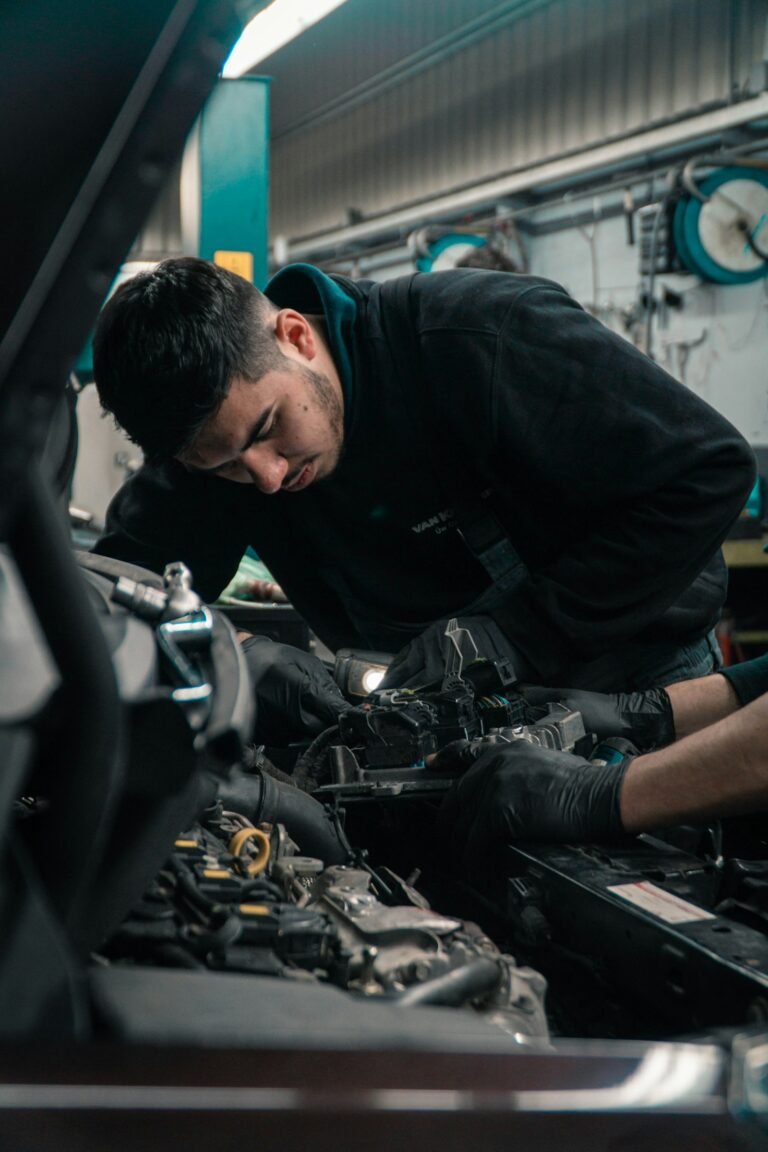
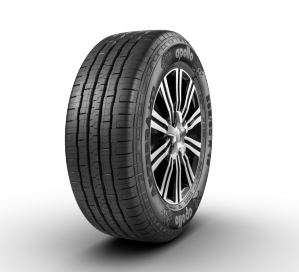
SUVs are built to handle a variety of driving conditions, from busy city roads and highways to rough terrain and long-distance journeys. However, your vehicle’s performance depends heavily on the tyres you choose. Selecting the right suv tyres improves safety, ride comfort, handling, and fuel efficiency. Understanding tyre specifications is equally important because these details determine whether a tyre is suitable for your SUV’s weight, driving style, and road conditions. Making an informed choice helps ensure reliable performance throughout the tyre’s lifespan.
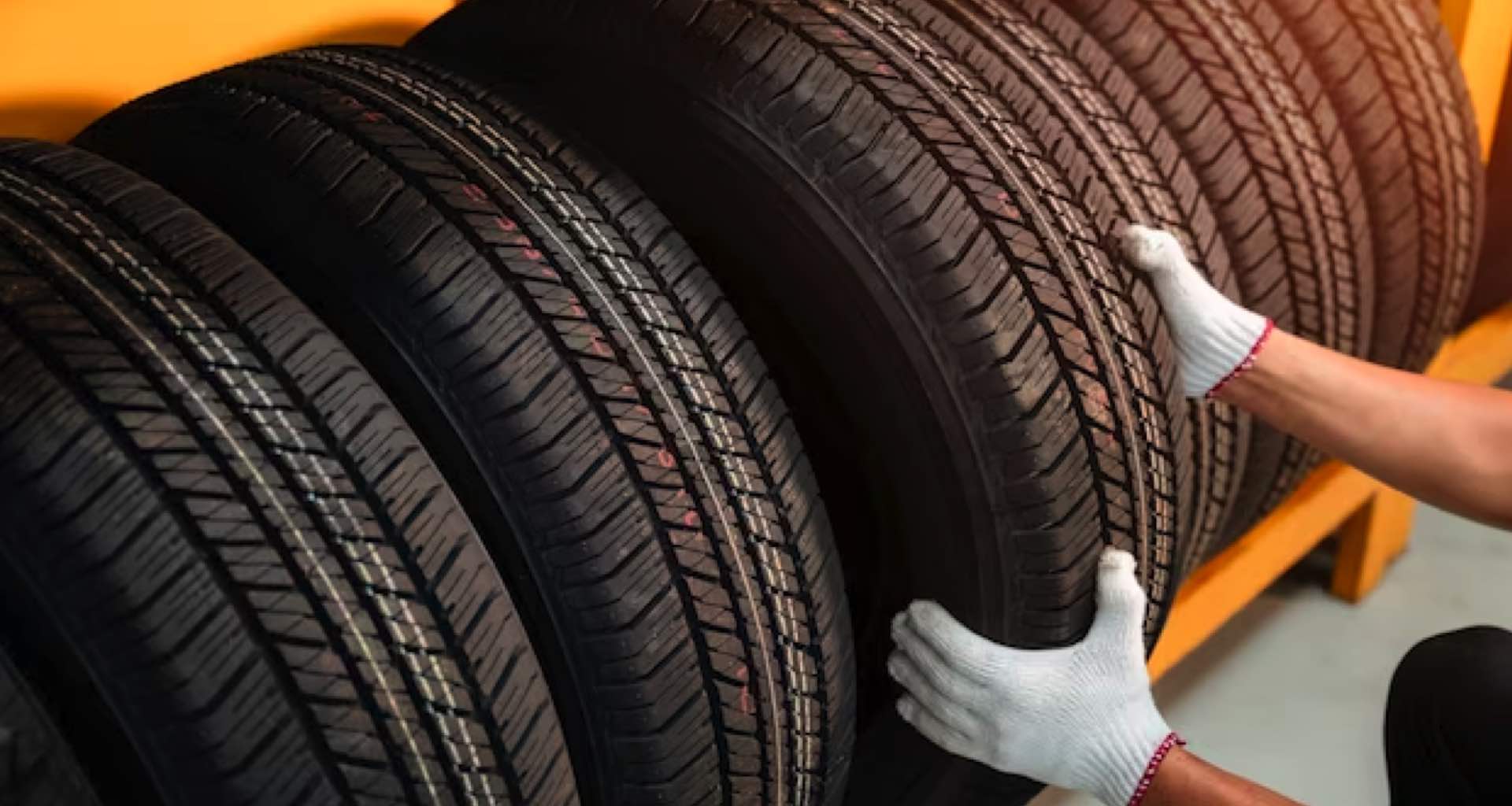
Why Choosing the Right SUV Tyres Matters
SUVs are generally larger and heavier than passenger cars, placing greater demands on their tyres. The right tyres help maintain stability, improve braking, and provide better traction across different road surfaces.
Quality SUV tyres offer several advantages:
- Better road grip
- Improved steering response
- Shorter braking distances
- Enhanced driving comfort
- Greater durability
- Better fuel efficiency
- Increased driving confidence
Selecting the right tyres contributes to both safety and long-term vehicle performance.
Understanding Tyre Specifications
Before purchasing new tyres, it is essential to understand tyre specifications printed on the tyre sidewall.
These markings typically include:
- Tyre width
- Aspect ratio
- Rim diameter
- Load index
- Speed rating
Each specification serves an important purpose and should match your vehicle manufacturer’s recommendations.
Tyre Width
Tyre width affects grip, handling, and stability.
Wider tyres generally provide:
- Better road contact
- Improved cornering
- Enhanced traction
However, they should always match the recommended vehicle specifications.
Aspect Ratio
The aspect ratio indicates the height of the tyre sidewall relative to its width.
Lower aspect ratios typically offer:
- Better handling
- More responsive steering
- Improved cornering performance
Higher aspect ratios generally provide greater ride comfort.
Load Index
SUVs often carry heavier loads than standard passenger cars.
The load index ensures each tyre can safely support the vehicle’s weight, passengers, and cargo.
Speed Rating
This rating indicates the maximum speed at which the tyre can safely operate under specified conditions.
Always select tyres that meet or exceed your vehicle’s recommended speed rating.
Types of SUV Tyres
Different driving conditions require different tyre designs.
Highway Terrain Tyres
Designed primarily for paved roads, these tyres provide:
- Comfortable ride quality
- Low road noise
- Good fuel efficiency
- Long tread life
They are ideal for daily commuting and highway travel.
All-Terrain Tyres
Suitable for drivers who frequently travel on both paved and unpaved roads.
Benefits include:
- Improved off-road capability
- Strong durability
- Reliable traction on mixed surfaces
Mud Terrain Tyres
Designed for challenging off-road environments.
They provide:
- Excellent grip on loose surfaces
- Strong sidewall protection
- Superior traction in mud and uneven terrain
These tyres may generate more road noise during everyday driving.
How to Choose the Right SUV Tyres
Selecting the right suv tyres depends on several important factors.
Driving Habits
Think about where you drive most often.
For example:
- City roads
- Highways
- Rural roads
- Construction sites
- Off-road trails
Choosing tyres designed for your typical driving conditions improves both comfort and safety.
Weather Conditions
Climate also affects tyre performance.
Drivers who frequently encounter heavy rain should choose tyres with tread patterns designed to improve water evacuation and reduce hydroplaning.
Vehicle Load
If your SUV regularly carries passengers or heavy cargo, choose tyres with an appropriate load rating.
Manufacturer Recommendations
Always follow the tyre size and specifications listed in your owner’s manual.
Using incorrect tyres may affect handling, braking, and fuel efficiency.
Why Tyre Specifications Matter
Understanding tyre specifications helps you avoid purchasing tyres that are incompatible with your vehicle.
Correct specifications provide:
- Proper steering response
- Better braking performance
- Even tread wear
- Improved fuel economy
- Enhanced ride stability
- Safer driving
Following manufacturer guidelines also helps maximize tyre lifespan.
Maintenance Tips for SUV Tyres
Regular maintenance helps your tyres perform safely and last longer.
Follow these simple practices:
- Check tyre pressure regularly.
- Inspect tread depth frequently.
- Rotate tyres according to the maintenance schedule.
- Maintain proper wheel alignment.
- Balance wheels when necessary.
- Remove stones and debris from tread grooves.
- Replace damaged tyres promptly.
Routine maintenance protects both your tyres and your investment.
Signs It’s Time to Replace Your Tyres
Even quality tyres eventually wear out.
Watch for these warning signs:
- Low tread depth
- Sidewall cracks
- Bulges
- Uneven tread wear
- Frequent air pressure loss
- Reduced wet-road grip
- Excessive vibration
Replacing worn tyres at the right time improves safety and driving performance.
Common Mistakes to Avoid
Many drivers unknowingly reduce tyre performance by making poor purchasing decisions.
Avoid these common mistakes:
- Buying tyres based only on price
- Ignoring manufacturer recommendations
- Choosing incorrect tyre sizes
- Overlooking load ratings
- Skipping regular maintenance
- Delaying tyre replacement
Proper tyre selection reduces operating costs and improves overall safety.
The Future of SUV Tyre Technology
Modern tyre technology continues evolving to improve performance and sustainability.
Some recent developments include:
Smart Tyres
Integrated sensors monitor tyre pressure and temperature in real time.
Advanced Rubber Compounds
New materials improve durability while maintaining excellent road grip.
Fuel-Efficient Designs
Lower rolling resistance helps reduce fuel consumption.
Sustainable Manufacturing
Environmentally responsible production methods continue shaping the future of tyre development.
These innovations provide safer and more efficient driving experiences for SUV owners.
Conclusion
Choosing the right suv tyres involves more than selecting the correct size. Understanding important tyre specifications, evaluating your driving conditions, and following proper maintenance practices all contribute to better safety, comfort, and long-term performance. Making informed tyre choices helps your SUV perform reliably in a wide range of environments. Vredestein, shaped by over 110 years of European heritage, continues to lead the future of global tyre technology through pioneering research, rigorous testing, and continuous innovation, delivering premium tyre solutions designed to provide exceptional driving performance, safety, and comfort for every journey.