How Credit Portfolio Management Software Improves Private Credit Valuations and Monitoring
By publisher bizreporterz · September 7, 2026
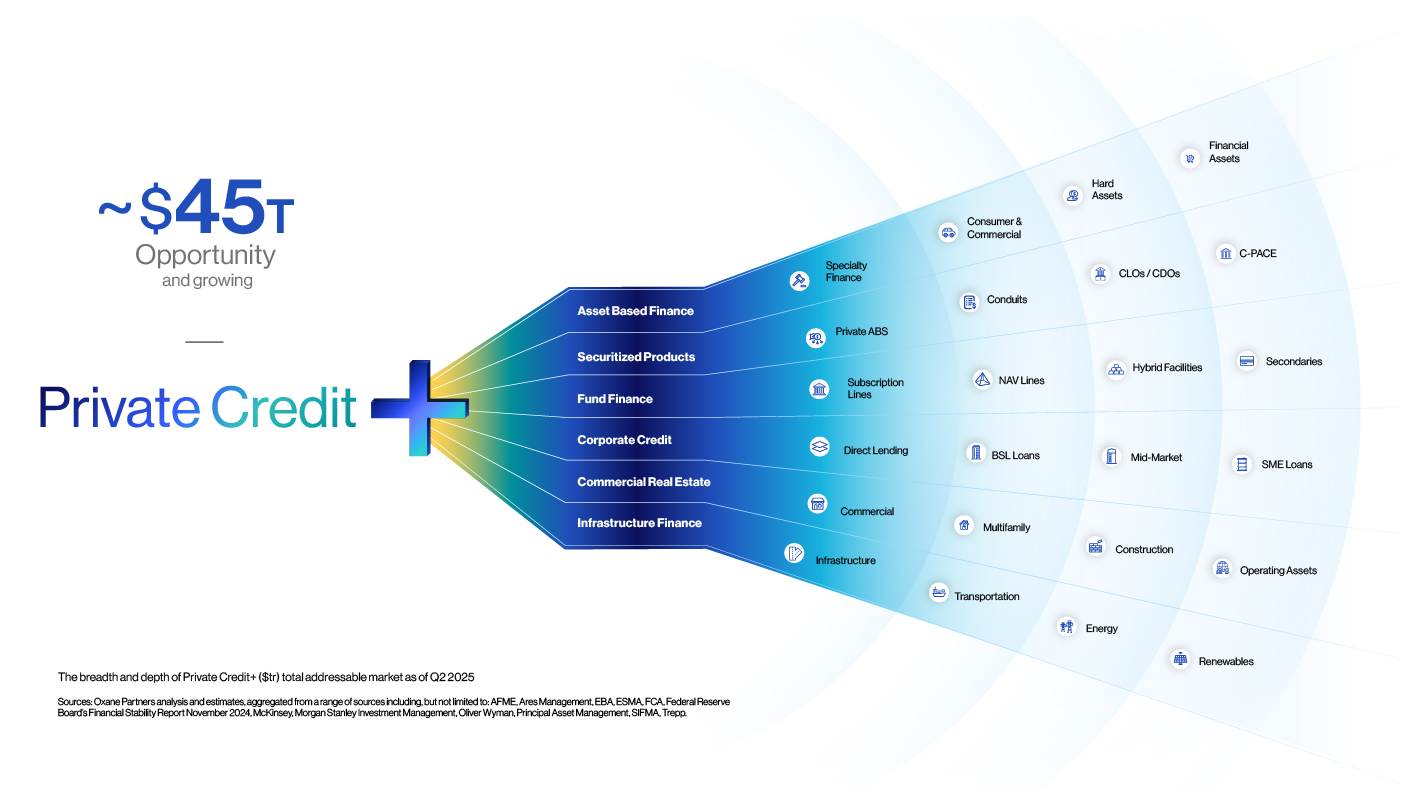
Private credit has evolved into one of the most significant segments of the alternative investment landscape. As institutional investors continue allocating capital to direct lending, asset-based finance, structured credit, and other private debt strategies, portfolios are becoming larger, more diverse, and increasingly complex.
Alongside this growth, valuation expectations have also intensified. Investors, lenders, auditors, regulators, and fund stakeholders require greater transparency into portfolio performance and asset values. As a result, accurate and defensible valuation processes have become a critical component of private credit portfolio management.
However, valuations do not exist in isolation. Their reliability depends heavily on the quality and timeliness of portfolio information. Effective portfolio monitoring provides the foundation for understanding credit performance, identifying risks, and assessing changes that may impact asset values. This is where credit portfolio management software is playing an increasingly important role, helping firms strengthen oversight while supporting robust valuation processes.
Why Valuations Are Increasingly Challenging in Private Credit
Valuing private credit investments has always required a higher degree of analysis and judgment than valuing publicly traded assets. Several market trends are making this challenge even more pronounced.
Illiquid Assets and Limited Market Pricing
Unlike publicly traded securities, private credit investments typically lack active secondary markets and readily available pricing data.
Without observable market prices, valuation professionals must rely on borrower financial performance, comparable transactions, credit analysis, and valuation methodologies to determine fair value. This introduces a greater need for reliable portfolio information and ongoing monitoring.
Diverse Loan Structures and Bespoke Transactions
Modern private credit portfolios often include a broad range of financing structures, including direct loans, asset-backed lending facilities, specialty finance investments, NAV financing arrangements, and structured credit instruments.
Each investment may contain unique covenant structures, collateral packages, repayment mechanisms, and risk characteristics. These differences add complexity to both valuation and monitoring processes.
Growing Reporting and Governance Expectations
Investors and regulators continue to demand greater transparency and consistency in valuation practices.
Private credit managers must demonstrate that valuation conclusions are supported by reliable data, documented methodologies, and structured oversight processes. This requires strong governance frameworks and auditable workflows across the portfolio.
Need for Timely and Reliable Portfolio Insights
Market conditions, borrower performance, and credit quality can change rapidly. Valuation decisions that rely on outdated information may fail to reflect current portfolio realities.
As portfolios grow, firms need mechanisms to continuously monitor investments and ensure that valuation inputs remain relevant and accurate.
What Is Credit Portfolio Management Software?
Credit portfolio management software is a technology platform designed to help investment managers oversee private credit portfolios through centralized monitoring, reporting, and risk management capabilities.
The primary purpose of these solutions is to consolidate portfolio information from multiple sources and provide a comprehensive view of investments across the portfolio lifecycle.
Rather than relying on disconnected spreadsheets and manual reporting processes, firms can centralize borrower information, exposure data, performance metrics, covenant tracking, and portfolio analytics within a single environment.
These platforms support investment professionals by improving visibility, facilitating portfolio oversight, and creating stronger foundations for valuation and risk management workflows.
Why Effective Valuations Depend on Strong Portfolio Monitoring
One of the most important realities of private credit investing is that accurate valuations depend on effective monitoring.
Valuations reflect the financial impact of events occurring within a portfolio, but monitoring is what identifies those events in the first place.
Monitoring Borrower Performance
Borrower performance is one of the most significant drivers of private credit valuation outcomes.
Financial results, liquidity positions, leverage levels, profitability trends, and operational performance all influence the credit profile of an investment. Continuous monitoring helps investment teams identify changes that may affect valuation assumptions.
Without ongoing visibility into borrower health, valuation processes risk relying on incomplete information.
Tracking Covenant Compliance
Financial covenants often serve as early indicators of borrower stress.
Monitoring covenant compliance allows portfolio managers to detect potential issues before credit deterioration becomes severe. Breaches, waivers, amendments, or changes in covenant headroom can all influence risk assessments and valuation considerations.
Strong monitoring frameworks ensure these developments are identified and evaluated promptly.
Capturing Changes in Credit Quality
Credit quality is dynamic rather than static.
Macroeconomic developments, industry-specific pressures, refinancing challenges, operational setbacks, or borrower-specific events can alter the risk profile of a loan over time.
Monitoring helps capture these changes as they occur, enabling valuation teams to incorporate relevant information into their analyses.
Identifying Emerging Risks
Early identification of risk is one of the primary objectives of portfolio oversight.
Changes in borrower performance, collateral quality, sponsor support, liquidity conditions, or exposure concentrations can all signal potential valuation implications.
A structured monitoring process provides investment teams with the information necessary to assess these risks and determine their potential financial impact.
Maintaining Accurate Portfolio Data
Valuation quality is only as strong as the underlying data supporting it.
Reliable monitoring processes help ensure that borrower information, portfolio metrics, covenant schedules, exposure data, and performance indicators remain current and accurate.
In practical terms, monitoring identifies what is changing within the portfolio, while valuations assess how those changes affect asset values.
How Credit Portfolio Management Software Supports Valuation Workflows
As private credit portfolios scale, manual approaches often struggle to support the growing demands placed on valuation functions.
Credit portfolio management software helps address these challenges through greater automation, consistency, and transparency.
Consolidated Portfolio Data
A centralized platform provides a unified view of borrower, portfolio, and exposure information.
By bringing critical information together in one location, firms can reduce reconciliation efforts and improve confidence in the data used for valuation analyses.
Automated Data Collection and Validation
Collecting portfolio information from multiple sources can be time-consuming and prone to errors.
Modern platforms support automated data ingestion and validation processes that improve data quality while reducing manual effort. This creates a stronger foundation for downstream valuation activities.
Credit Performance Tracking
Ongoing monitoring of borrower performance, portfolio trends, and exposure metrics enables investment teams to identify developments that may influence value assessments.
These insights help ensure that valuation decisions reflect current portfolio conditions rather than historical snapshots.
Audit-Ready Reporting
Valuations are increasingly subject to investor scrutiny, audit reviews, and governance requirements.
Technology-driven reporting workflows provide clear documentation of valuation inputs, supporting evidence, portfolio metrics, and historical changes. This strengthens transparency and audit readiness.
Improved Transparency Across Stakeholders
Portfolio managers, risk teams, finance departments, valuation committees, auditors, and investors often require access to consistent information.
Centralized reporting improves alignment across stakeholders and helps create a shared understanding of portfolio performance and valuation outcomes.
How Private Credit Valuation Solutions Enhance Oversight and Decision-Making
A dedicated private credit valuations solution complements portfolio monitoring by providing structured frameworks for valuation analysis and governance.
More Consistent Valuation Processes
Standardized workflows help create greater consistency across investments, asset classes, and valuation periods.
This consistency can improve comparability while reducing the likelihood of subjective variations across valuation exercises.
Independent Valuation Support
Many firms seek additional rigor through independent valuation reviews and governance processes.
Purpose-built valuation solutions help support independent assessments by organizing data, maintaining documentation, and facilitating review workflows.
Better Governance and Transparency
Strong governance has become a central focus across private markets.
Technology-enabled valuation frameworks help demonstrate that valuation conclusions are based on documented methodologies, relevant portfolio information, and consistent oversight processes.
Improved Portfolio Reviews and Risk Assessment
Integrated valuation insights provide another lens through which investment teams can evaluate portfolio risk.
Changes in value, credit quality, and asset performance can reveal emerging trends that support broader portfolio review and risk management activities.
Benefits of Integrating Portfolio Monitoring and Valuation Workflows
As private credit portfolios become increasingly sophisticated, firms are recognizing the advantages of connecting monitoring and valuation activities within a unified framework.
Better Data Quality
Integrated processes help ensure that valuation analyses are supported by complete, current, and validated portfolio information.
Faster Valuation Cycles
Centralized information and automated workflows reduce manual effort, enabling firms to complete valuation exercises more efficiently.
Improved Risk Visibility
Linking portfolio monitoring with valuation analysis provides a more comprehensive understanding of portfolio risk and credit performance.
Greater Operational Efficiency
Technology-supported workflows reduce administrative burdens, improve consistency, and allow investment teams to focus on higher-value analysis.
Scalable Portfolio Oversight
As assets under management continue to grow, integrated platforms provide the infrastructure necessary to manage larger portfolios without proportionately increasing operational complexity.
What to Look for in a Credit Portfolio Management Solution
Not all portfolio management platforms are designed for the unique requirements of private credit investing. When evaluating solutions, firms should consider several key capabilities.
Monitoring Capabilities
The platform should support borrower monitoring, covenant tracking, exposure analysis, risk identification, and portfolio oversight activities.
Data Governance Controls
Strong governance features help improve data quality, maintain audit trails, and support regulatory and investor reporting requirements.
Reporting Flexibility
Investment teams require reporting that can adapt to different stakeholders, including management teams, investors, risk committees, and auditors.
Integration with Valuation Processes
Solutions that support seamless interaction between monitoring and valuation workflows can improve efficiency and consistency across the investment lifecycle.
Scalability Across Asset Classes
As portfolios diversify, firms benefit from platforms capable of supporting multiple private credit strategies and asset structures within a unified framework.
Future Trends in Private Credit Monitoring and Valuations
Private credit technology continues to evolve alongside the market itself.
Greater Automation
Automation is reducing manual effort across portfolio monitoring, reporting, and valuation activities while improving consistency and efficiency.
AI-Assisted Analytics
Artificial intelligence is increasingly helping firms analyze borrower information, identify portfolio trends, and surface potential risk indicators.
Integrated Monitoring and Valuation Platforms
Market participants are moving toward solutions that combine monitoring, valuation, reporting, and governance workflows within a connected operating environment.
Real-Time Portfolio Intelligence
Demand for more timely insights is driving greater adoption of platforms capable of delivering near real-time visibility into portfolio performance and risk exposures.
Conclusion
Accurate valuations rely on timely, high-quality portfolio information. As private credit portfolios expand in size, diversity, and complexity, monitoring and valuation functions are becoming increasingly interconnected.
Credit portfolio management software provides the visibility, data governance, and portfolio oversight necessary to support informed valuation decisions. When combined with a robust private credit valuations solution, firms can strengthen transparency, improve governance, enhance risk assessment, and create more scalable investment operations.
As the private credit market continues to mature, integrating portfolio monitoring and valuation workflows will become increasingly important for firms seeking to maintain rigorous oversight and make informed investment decisions across their portfolios.