The early years of education play a defining role in shaping a child’s attitude towards learning. It is during this stage that children develop curiosity, communication skills, creativity, and the confidence to explore the world around them. Traditional education often focuses on acquiring knowledge, whereas the IB PYP curriculum encourages children to understand concepts, ask meaningful questions, and become active participants in their own learning journey.
As parents increasingly seek educational approaches that prepare children for a rapidly changing world, IB PYP schools in Ghaziabad have gained considerable attention. These schools provide an inquiry-based learning environment where students develop academic knowledge alongside essential life skills such as collaboration, critical thinking, empathy, and global awareness.
Understanding the IB Primary Years Programme (PYP)
The International Baccalaureate Primary Years Programme (IB PYP) is designed for children in the early years of education. Rather than teaching subjects in isolation, the curriculum integrates learning across multiple disciplines through meaningful themes and real-life connections.
The emphasis is not on memorising facts but on helping children understand how ideas are connected, encouraging them to explore, question, and investigate the world around them.
This learner-centred philosophy creates students who enjoy learning and become confident, independent thinkers from an early age.
How the IB PYP Curriculum Differs from Traditional Learning
One of the defining strengths of the IB PYP curriculum is its focus on conceptual understanding instead of content-heavy instruction.
Instead of simply teaching students what to learn, teachers encourage them to understand why concepts matter and howthey apply in everyday life.
Learning becomes more engaging through:
- Classroom discussions
- Collaborative projects
- Practical investigations
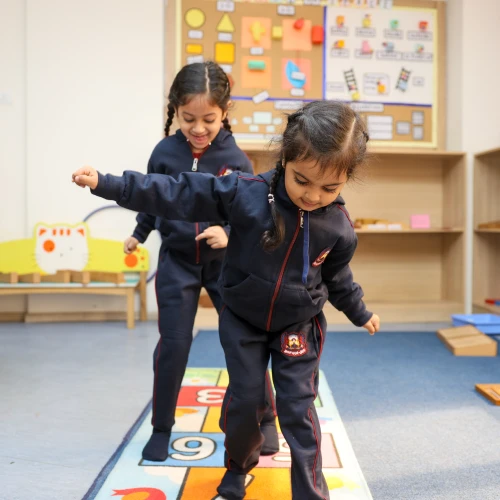
- Hands-on activities
- Real-world problem solving
- Reflective thinking
Children actively participate in lessons, making education both meaningful and enjoyable.
Inquiry-Based Learning at the Core
Inquiry is the foundation of the PYP approach.
Teachers guide students to ask questions, explore different perspectives, conduct investigations, and develop their own understanding rather than providing ready-made answers.
This process helps students become:
- Curious learners
- Independent thinkers
- Confident communicators
- Creative problem-solvers
- Reflective individuals
Instead of studying for examinations alone, students develop a lifelong love for learning.
Developing the Whole Child
One of the biggest strengths of the PYP is its commitment to holistic education.
Academic development is balanced with social, emotional, physical, and creative growth.
Students are encouraged to develop:
Communication Skills
Presentations, discussions, storytelling, and collaborative activities strengthen verbal and written communication from an early age.
Critical Thinking
Children learn how to analyse information, identify patterns, evaluate evidence, and solve problems logically.
Creativity
Art, music, drama, design thinking, and project-based learning encourage imagination while allowing children to express their ideas confidently.
Collaboration
Group activities teach teamwork, respect for different viewpoints, and shared responsibility.
Self-Management
Students gradually develop organisational skills, responsibility, and independence in managing their own learning.
International-Mindedness
The PYP encourages children to appreciate diverse cultures, perspectives, and experiences.
Students learn to become:
- Open-minded
- Respectful
- Caring
- Ethical
- Globally aware
These qualities help prepare them for higher education and careers in an increasingly interconnected world.
Learning Beyond the Classroom
The best IB PYP schools in Ghaziabad create opportunities that extend beyond textbooks.
Students participate in:
- STEM activities
- Robotics
- Environmental projects
- Community engagement
- Performing arts
- Sports
- Innovation programmes
- Cultural celebrations
These experiences strengthen confidence while allowing children to apply classroom learning in meaningful situations.
The Role of Teachers in the PYP
Teachers act as facilitators rather than traditional lecturers.
Instead of delivering information, they guide exploration, encourage discussion, observe individual progress, and support each child’s unique learning journey.
This personalised approach ensures children remain engaged while developing confidence and independence.
Why Parents Choose IB PYP Schools
Families increasingly prefer IB PYP schools in Ghaziabad because the curriculum prepares children not only for academic success but also for life.
Parents appreciate that students develop:
- Strong conceptual understanding
- Curiosity and creativity
- Leadership skills
- Emotional intelligence
- Confidence
- Communication abilities
- Problem-solving skills
- Global perspectives
These qualities remain valuable throughout school, university, and future careers.
How the IB PYP Encourages Lifelong Learning
One of the greatest strengths of the IB PYP curriculum is that it nurtures a genuine love for learning instead of encouraging students to study only for examinations. Children are naturally curious, and the programme builds upon this curiosity by allowing them to investigate topics, ask meaningful questions, and seek answers through observation, discussion, and exploration.
As students become more involved in their own learning process, they gradually develop confidence in making decisions, expressing opinions, and solving problems independently. Rather than relying solely on teacher instruction, they learn how to research, evaluate information, collaborate with classmates, and reflect on their progress. These learning habits remain valuable throughout secondary education, university, and professional life.
The programme also encourages students to take ownership of their academic journey. By setting personal goals, evaluating their work, and identifying areas for improvement, children develop self-motivation and responsibility from an early age. This mindset prepares them to become lifelong learners who continue growing long after they leave the classroom.

Questions Parents Should Ask Before Choosing an IB PYP School
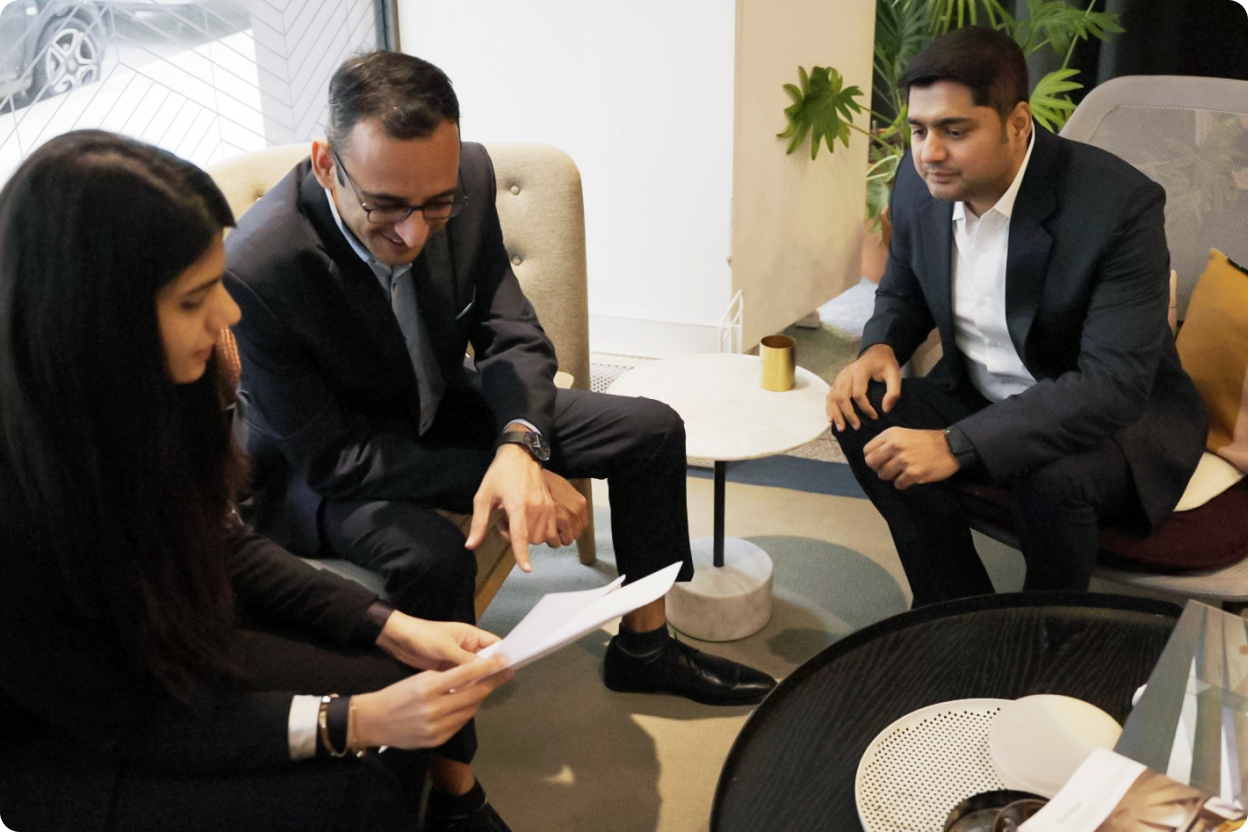
Selecting the right school requires careful evaluation because every institution delivers the curriculum differently. Before finalising admission, parents should visit the campus and understand how inquiry-based learning is implemented in everyday classrooms.
Some important questions include:
- How is the IB PYP integrated into daily teaching?
- What opportunities are available for project-based and experiential learning?
- How are creativity, sports, and performing arts incorporated into the curriculum?
- What technology and learning resources are available?
- How does the school assess student progress beyond traditional examinations?
- What kind of communication exists between teachers and parents?
- How does the school support each child’s emotional and social development?
Understanding these aspects helps parents choose a school that aligns with their child’s personality, interests, and long-term educational goals.
Conclusion
The IB PYP curriculum provides far more than an academic foundation, it develops curious minds, compassionate individuals, and confident learners who are ready to embrace future challenges. Parents searching for IB PYP schools in Ghaziabad should look for institutions that successfully combine inquiry-based learning, holistic development, and global perspectives with a nurturing environment. Through its learner-first philosophy and commitment to educational excellence, DPSG International empowers every child to become an independent thinker and a lifelong learner prepared for success in an ever-evolving world.