Security challenges are becoming increasingly complex across industries, requiring organizations to monitor larger areas while responding quickly to potential threats. Traditional surveillance methods often have limitations in coverage, speed, and accessibility. A surveillance drone offers a smarter solution by providing real-time aerial monitoring, high-quality imagery, and actionable intelligence. From critical infrastructure and industrial facilities to public safety and disaster management, drone applications are transforming how organizations improve security, enhance situational awareness, and make informed decisions.
What Is a Surveillance Drone?
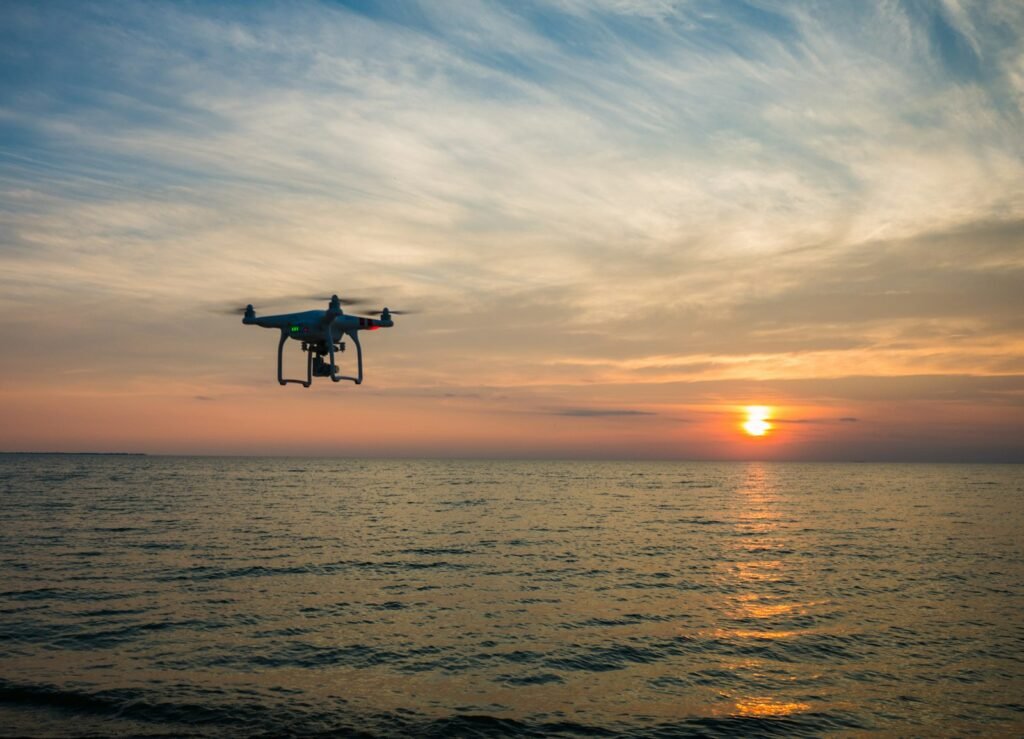
A surveillance drone is an unmanned aerial vehicle (UAV) equipped with cameras and advanced sensors to monitor people, assets, infrastructure, and large geographical areas from the air.
Unlike fixed surveillance systems, drones can quickly cover wide areas and provide live aerial footage to security teams.
They are commonly used for:
- Infrastructure monitoring
- Border surveillance
- Industrial security
- Disaster response
- Public safety
- Event monitoring
- Environmental observation
Their flexibility makes them valuable for both government and enterprise operations.
Why Aerial Surveillance Is Gaining Importance
Organizations today need faster and more accurate information to respond effectively to changing situations.
Traditional surveillance systems may face challenges such as:
- Limited viewing angles
- Fixed installation points
- High monitoring costs
- Slow incident response
- Difficulty covering remote locations
Aerial monitoring addresses these limitations by providing a dynamic, real-time perspective.
Key Benefits of Using a Surveillance Drone
Real-Time Monitoring
One of the biggest advantages of a surveillance drone is its ability to transmit live video directly to operators.
This enables security teams to:
- Monitor incidents as they happen
- Track movement across large areas
- Assess situations quickly
- Coordinate emergency responses
Real-time visibility supports faster and more informed decision-making.
Improved Situational Awareness
Aerial views provide a broader perspective than ground-based cameras alone.
This helps organizations monitor:
- Large industrial sites
- Construction projects
- Public events
- Transportation corridors
- Utility infrastructure
Enhanced situational awareness improves operational efficiency and safety.
Rapid Deployment
Drones can be deployed within minutes, making them ideal for emergency situations where quick assessment is essential.
Their mobility allows operators to inspect difficult-to-reach areas without delay.
Increased Personnel Safety
Using drones reduces the need for security personnel to enter hazardous or inaccessible environments.
This is particularly valuable during:
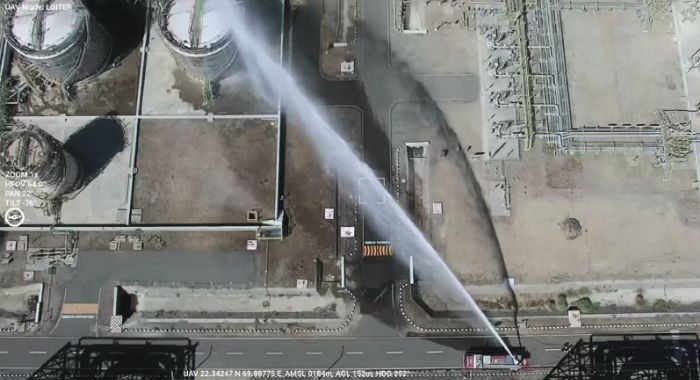
- Fire incidents
- Floods
- Industrial emergencies
- Hazardous material situations
Remote monitoring minimizes risk while maintaining continuous surveillance.
Common Drone Applications Across Industries
The range of drone applications continues to expand as organizations recognize the value of aerial intelligence.
Infrastructure Inspection
Drones monitor critical infrastructure such as:
- Power transmission lines
- Pipelines
- Bridges
- Railways
- Communication towers
Regular inspections help identify maintenance requirements before they become major issues.
Industrial Security
Manufacturing plants and industrial facilities use drones to monitor:
- Restricted zones
- Equipment yards
- Storage facilities
- Operational perimeters
This improves security while reducing manual patrol requirements.
Disaster Management
Emergency response teams deploy drones to:
- Assess damage
- Locate affected areas
- Monitor rescue operations
- Support relief planning
Fast aerial assessments improve response efficiency during natural disasters.
Public Safety
Security agencies use drones during public gatherings to monitor crowd movement and improve coordination.
This supports better planning and enhances public safety.
Technologies That Enhance Drone Surveillance
Modern surveillance drones incorporate advanced technologies that improve performance and reliability.
High-Resolution Cameras
Detailed aerial imagery enables accurate monitoring and documentation.
Thermal Imaging
Thermal sensors detect heat signatures, making surveillance effective even in low-light or nighttime conditions.
GPS Navigation
Accurate positioning allows drones to follow predefined flight paths and return safely after completing missions.
Artificial Intelligence
AI-powered analytics help identify unusual activity, detect objects, and automate monitoring tasks.
These capabilities improve operational efficiency while reducing manual analysis.
Choosing the Right Surveillance Drone
Selecting the right drone depends on operational requirements.
Important factors include:
Flight Time
Longer endurance allows drones to cover larger areas without frequent battery changes.
Camera Quality
High-resolution imaging improves observation and documentation.
Operational Range
A greater communication range enables monitoring across extensive sites.
Weather Resistance
Drones designed for outdoor use should perform reliably under varying environmental conditions.
Data Security
Secure communication and encrypted data transmission help protect sensitive operational information.
Best Practices for Effective Drone Operations
Organizations can maximize the benefits of drone technology by following proven operational practices.
These include:
- Planning flight routes before deployment
- Conducting regular equipment inspections
- Training drone operators thoroughly
- Following aviation regulations
- Performing routine maintenance
- Securing captured aerial data
Well-planned operations improve both safety and efficiency.

Future of Drone Surveillance
Drone technology continues to evolve rapidly, introducing new capabilities for security and monitoring.
Future developments are expected to include:
- Longer flight endurance
- AI-assisted autonomous missions
- Enhanced obstacle avoidance
- Advanced data analytics
- Improved sensor integration
- Greater automation of surveillance operations
These innovations will further expand the possibilities for aerial intelligence.
Why Drone Applications Continue to Grow
Organizations across sectors are investing in drone technology because of its versatility and efficiency.
Modern drone applications support:
- Better operational visibility
- Faster incident response
- Improved resource utilization
- Safer inspections
- More accurate data collection
- Enhanced decision-making
As technology advances, drones are becoming an essential tool for organizations seeking reliable aerial intelligence.
Conclusion
A surveillance drone provides organizations with a powerful way to improve security, monitor assets, and enhance situational awareness through real-time aerial intelligence. From industrial facilities and public safety operations to infrastructure inspections and disaster response, the growing range of drone applications demonstrates the value of unmanned aerial systems in modern operations. Asteria Aerospace, with its expertise in in-house drone hardware, software development, manufacturing, and aerial intelligence solutions, continues to deliver comprehensive drone technologies that help government and enterprise organizations make faster, smarter, and more informed decisions.