The first few years of formal education influence much more than a child’s report card. During the primary stage, children develop habits, attitudes, social behaviour, communication skills, and the confidence to explore new ideas. Researchers often describe these years as the period when the brain develops most rapidly, making it essential for children to learn in an environment that encourages curiosity rather than pressure.
For parents searching for a CBSE co ed primary school in Dehradun, the goal should not simply be finding a school that teaches reading and mathematics well. Instead, they should look for a learning environment that helps children become confident thinkers, effective communicators, compassionate classmates, and enthusiastic learners.
While comparing schools in Dehradun with fee structure, parents should also understand what their investment includes, not just classrooms, but experienced educators, engaging learning experiences, student support, and opportunities that contribute to long-term development.
The Primary Years Shape Future Learning Habits
A child’s attitude towards learning is largely formed during the primary years.
Students who enjoy asking questions, participating in discussions, reading independently, and exploring new ideas are more likely to become confident learners throughout school.
On the other hand, if education focuses only on memorisation and examination scores from an early age, children may gradually lose their natural curiosity.
This is why the best primary schools create classrooms where learning feels enjoyable instead of intimidating.
Learning Happens Through Everyday Experiences
Young children learn differently from older students.
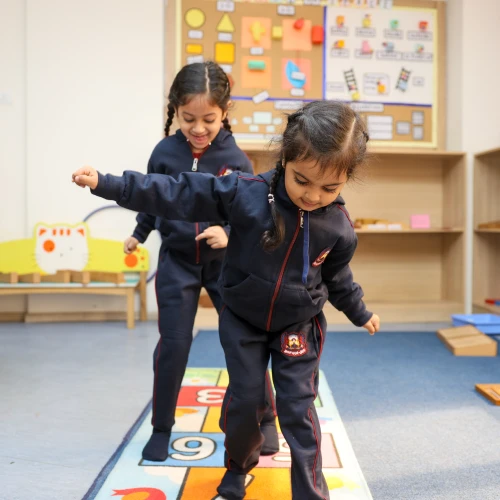
Instead of long lectures, they absorb concepts through activities, stories, games, observation, movement, conversations, and exploration.
Whether measuring ingredients during a classroom activity or identifying different plants during a nature walk, every experience becomes an opportunity to build understanding.
This experiential approach helps children remember concepts because they connect learning with real-life situations.
Reading Culture Begins Early
One habit that significantly influences academic success is reading.
Schools that introduce children to age-appropriate books, storytelling sessions, classroom libraries, and guided reading programmes encourage language development far beyond textbook learning.
Regular reading improves:
- Vocabulary
- Listening skills
- Imagination
- Comprehension
- Sentence formation
- Public speaking confidence
Children who develop strong reading habits often perform better across every academic subject because language forms the foundation of all learning.
Building Confidence Before Competition
Primary education should focus on participation before performance.
Children become more confident when they are encouraged to express opinions, ask questions, present ideas, and participate in classroom discussions without fear of making mistakes.
Teachers who celebrate effort rather than perfection create learners who are willing to experiment, explore, and solve problems independently.
Confidence developed during these years often influences classroom participation throughout secondary school.
Developing Social Intelligence
School is where children first learn to work with people outside their immediate family.
Daily classroom interactions help students understand:
- Sharing responsibilities
- Respecting different opinions
- Resolving disagreements
- Taking turns
- Helping classmates
- Appreciating diversity
These social experiences are just as valuable as academic lessons because they prepare children for collaborative learning and future workplaces.
The Role of Creative Expression
Creativity is closely connected with intellectual development.
Art, music, storytelling, theatre, dance, and craft activities allow children to communicate ideas that they may not yet be able to express verbally.
Creative learning also strengthens observation skills, imagination, patience, concentration, and emotional expression.
Rather than treating creativity as an extracurricular activity, leading schools integrate it into everyday classroom experiences.
Why Classroom Environment Matters
The physical learning environment influences how children feel about school.
Bright classrooms, interactive learning corners, reading spaces, activity zones, science exploration tables, and collaborative seating arrangements encourage students to participate more actively.
Children naturally become more engaged when classrooms are designed for exploration rather than passive listening.
Understanding School Fees from a Different Perspective
When comparing schools in Dehradun with fee structure, parents often focus only on affordability.
However, fees also support several important educational resources, including:
- Qualified teachers
- Student safety systems
- Learning materials
- Classroom technology
- Activity-based teaching resources
- Library development
- Sports facilities
- Teacher training programmes
Understanding how these resources contribute to a child’s development provides a clearer picture of educational value than comparing numbers alone.

Questions Every Parent Should Ask
Before selecting a primary school, parents should ask questions that go beyond academics.
For example:
- How does the school encourage curiosity?
- How much emphasis is placed on reading?
- How are shy children supported?
- What opportunities exist for creativity?
- How do teachers communicate with parents?
- How are children encouraged to become independent?
The answers often reveal far more about a school’s philosophy than examination results.
Conclusion
Choosing a CBSE co ed primary school in Dehradun is about far more than selecting a place for formal education. It is about finding a learning environment where children develop confidence, curiosity, creativity, and a lifelong love for learning. While comparing schools in Dehradun with fee structure, parents should evaluate the complete educational experience rather than fees alone. Through child-centred teaching, engaging classrooms, and a commitment to holistic development, Delhi Public School Ghaziabad Dehradun helps young learners build the strong foundation needed for lifelong academic and personal success.