Perfect food presentation influences customer perception satisfaction and overall dining experience in every restaurant. Chefs follow careful steps to ensure dishes are visually balanced and attractive consistently. Clean plating enhances appeal and encourages customers to enjoy food with confidence fully. Presentation supports perception of quality professionalism and attention to detail among staff members. Many restaurants in CA focus on aesthetics to improve customer retention and loyalty. Consistent presentation builds trust between kitchens and guests while maintaining high service standards. Attractive food appearance can increase repeat visits for loyal customers effectively. Proper display improves restaurant reputation positively while encouraging referrals and recommendations reliably.
How Does Plating Technique Improve Customer Experience?
Plating technique enhances visual appeal and supports even portion control for every dish served. Chefs place components strategically to maintain balance and symmetry across plates effectively. Proper arrangement ensures sauces garnishes and main items are displayed clearly. Customers notice careful attention to arrangement before tasting food with their senses. Balanced plating prevents overlapping flavors and maintains proper textures across each bite. Technique contributes to perception of restaurant professionalism and staff discipline consistently. Plates arranged neatly increase the likelihood of social sharing among customers consistently. Thoughtful plating elevates dining experience and encourages diners to return frequently to restaurants.
Why Does Timing of Presentation Matter?
Timing of food presentation affects temperature texture and overall customer satisfaction significantly. Plates served too early can become cold and lose flavor integrity rapidly. Late serving may reduce visual appeal or cause rushed consumption negatively. Chefs coordinate timing closely to match service pace in busy restaurants. Freshly prepared items maintain correct temperature and consistency during peak hours reliably. Proper timing supports smooth workflow between kitchen staff and serving teams efficiently. Timing also affects perception of professionalism and efficiency among restaurant guests consistently. Coordinated service ensures all components arrive together enhancing quality and overall enjoyment.
How Does Material Choice Affect Presentation Quality?
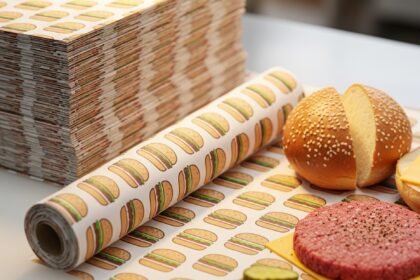
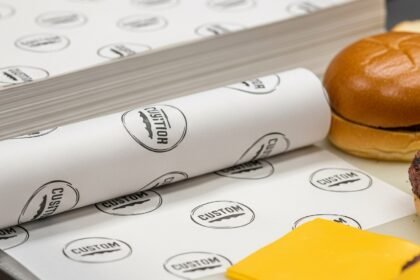
Material selection impacts appearance hygiene and food handling safety in restaurant settings directly. Wax paper provides clean surfaces, prevents sticking and enhances overall presentation quality clearly. Proper materials ensure sauces or ingredients do not smudge plates during service. Chefs rely on quality sheets for precise layering and plating techniques consistently. Materials also help maintain texture while supporting proper portion control for dishes. Correct choice reduces accidents or spills and improves visual balance effectively. Materials contribute to consistency and strengthen perception of careful attention in kitchens. Reliable surfaces ensure smooth plating and professional appearance in every restaurant consistently.
How Can Supplier Support Improve Kitchen Efficiency?
Trusted suppliers help maintain consistency, quality and smooth preparation processes in professional kitchens. Many chefs source items from Wax Papers Hub to achieve consistent results reliably. Supplier support ensures steady availability of materials needed for presentation and plating tasks. Reliable sourcing reduces delays and allows staff to focus on quality execution effectively. Dependable partners maintain workflow continuity during high volume service periods efficiently. Proper supply prevents last minute replacements that can affect consistency negatively. Strong supplier relationships support staff confidence in maintaining professional food presentation standards. Consistent material quality supports the reputation of the restaurant among discerning diners effectively.
How Does Clean Handling Affect Food Appearance?
Clean handling prevents damage to delicate ingredients surfaces and sauces during plating stages effectively. High quality Food paper prevents sticking and ensures items are placed neatly every time. Careful handling avoids smudges, cracks or misplaced components that reduce visual appeal. Organized procedures maintain hygiene standards while protecting texture and color of prepared items. Proper handling supports smooth service and allows efficient presentation to customers quickly. Consistent methods reduce waste and maintain professional presentation standards reliably in kitchens. Smooth preparation enhances overall satisfaction and encourages repeat visits from loyal customers. Clean handling creates attractive plates that represent restaurant professionalism clearly.
Why Does Staff Training Influence Presentation Consistency?
Staff training improves skill accuracy and attention to detail during plating and preparation. Repetition teaches correct motion balance and timing for assembling dishes consistently. Training reduces errors during busy periods while maintaining appearance and texture quality. Proper instruction supports structured workflow and smooth interaction between cooks and servers. Skill development increases confidence among staff and strengthens reliability of presentation standards. Regular coaching ensures consistency across multiple shifts and all kitchen teams effectively. Trained staff maintain plates with professional appearance and appealing arrangement constantly. Continuous learning builds a culture of precision discipline and consistent food presentation.
How Do Observation and Feedback Refine Techniques?
Observation and feedback help staff identify flaws and improve presentation skills regularly. Supervisors check alignment layering and cleanliness of dishes before service stages. Immediate corrections prevent mistakes from reaching tables and enhance customer perception of quality. Staff monitor each step to maintain balanced proportions and neat arrangement effectively. Visual checks maintain consistency across plates during high volume service periods reliably. Feedback allows the team to adjust techniques for better outcomes continuously. Focused observation strengthens accountability discipline and consistency among kitchen members consistently. Refinement through monitoring ensures every dish matches restaurant standards and visual expectations clearly.