
In today’s fast-paced world, billions turn to WhatsApp for daily communication. Why do people use WhatsApp? This app stands out with its simple design, powerful features, and widespread availability. Launched in 2009 by Jan Koum and Brian Acton, WhatsApp started as a status-sharing tool but quickly evolved into a full messaging platform. Meta acquired it in 2014 for $19 billion, boosting its growth. Now, with over 3 billion monthly active users, it handles 100 billion messages daily. This article explores the background, key reasons, achievements, and more to explain its appeal.
The History and Evolution of WhatsApp
Jan Koum, a Ukrainian immigrant, and Brian Acton, both former Yahoo employees, founded WhatsApp in California. They aimed to create an ad-free app that let users share statuses without high SMS costs. By 2010, it added messaging, and push notifications helped it gain traction.
The app’s big break came with international appeal. In regions like Europe and Asia, where texting fees were steep, WhatsApp offered a free alternative using internet data. By 2013, it had 200 million users. Meta’s acquisition brought resources for features like voice calls (2015), video calls (2016), and end-to-end encryption.
Achievements include reaching 1 billion users in 2016 and 2 billion by 2020. In 2026, it’s the top messaging app in 112 countries, per SimilarWeb data. Its low-data mode suits emerging markets, where 69% of internet users (excluding China) rely on it.
Key Reasons Why Do People Use WhatsApp
People choose WhatsApp for its blend of simplicity and versatility. Here are the top reasons, backed by user trends and stats.
1. It’s Completely Free and Ad-Free
WhatsApp charges nothing for downloads, messages, or calls. Unlike SMS, which can cost up to $0.20 per international text, WhatsApp uses Wi-Fi or data. This saves money, especially for global users. A 2023 study by Pew Research found 83% of users cite cost savings as a primary reason.
Businesses love it too—50 million use WhatsApp Business for free customer outreach. No ads keep the interface clean, focusing on conversations.
2. End-to-End Encryption for Privacy
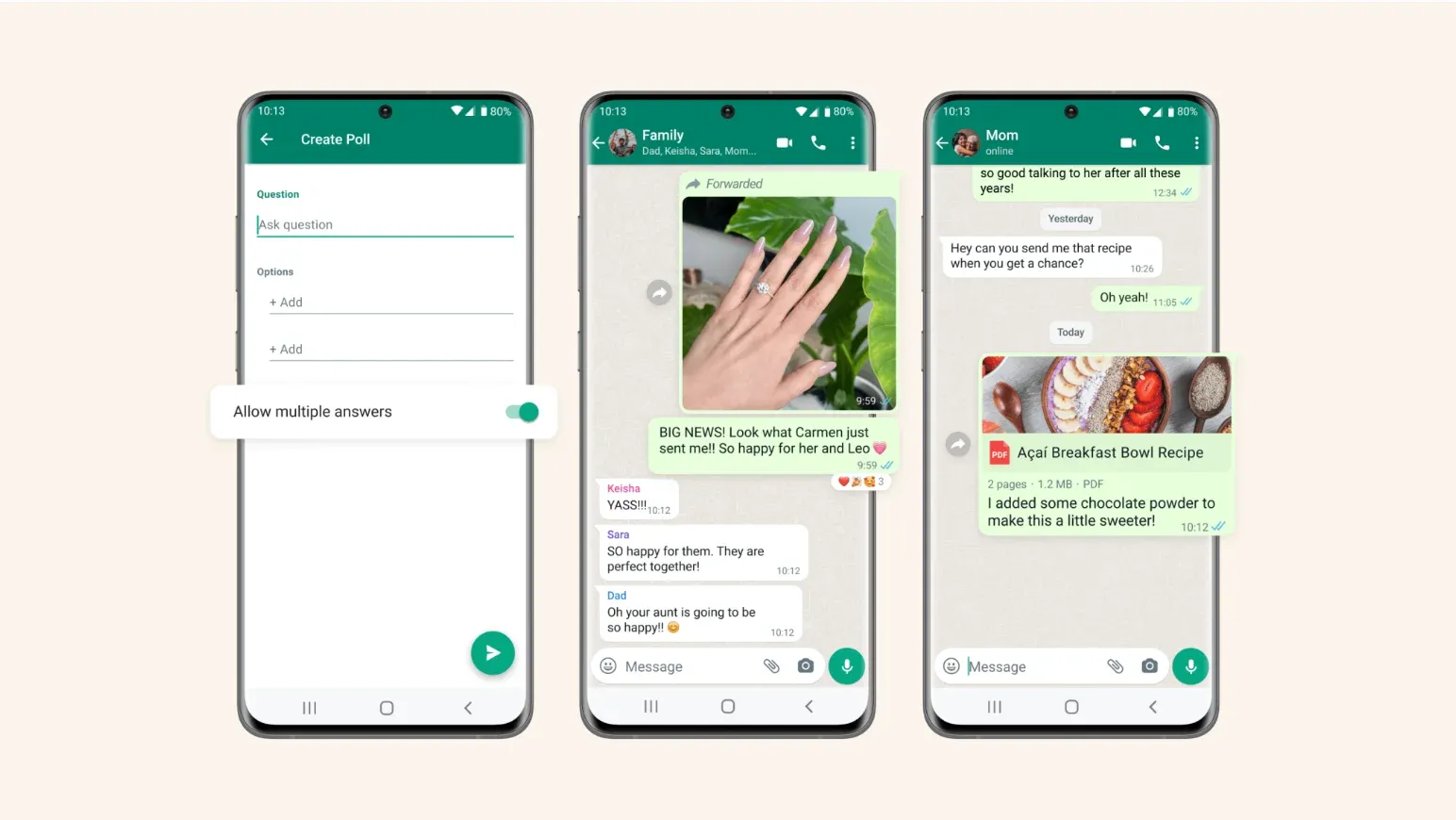
Security draws many users. WhatsApp encrypts all chats, calls, and media end-to-end, meaning only senders and receivers can access them. Even Meta can’t view content. This feature, added in 2016, reassures users amid data breach concerns.
In a 2025 survey by Statista, 72% of respondents said privacy influences their app choice. For journalists, activists, and everyday folks, this protection is key. WhatsApp also offers disappearing messages and view-once media for extra control.
3. Seamless Voice and Video Calls
WhatsApp makes calling easy. Users place free voice or video calls over internet, bypassing carrier fees. Group video calls support up to 8 people, ideal for family or work.
Stats show 2 billion minutes of calls daily. In low-bandwidth areas, it adjusts quality automatically. Compared to Zoom, it’s quicker for casual chats—no logins needed.
4. Group Chats and Communities
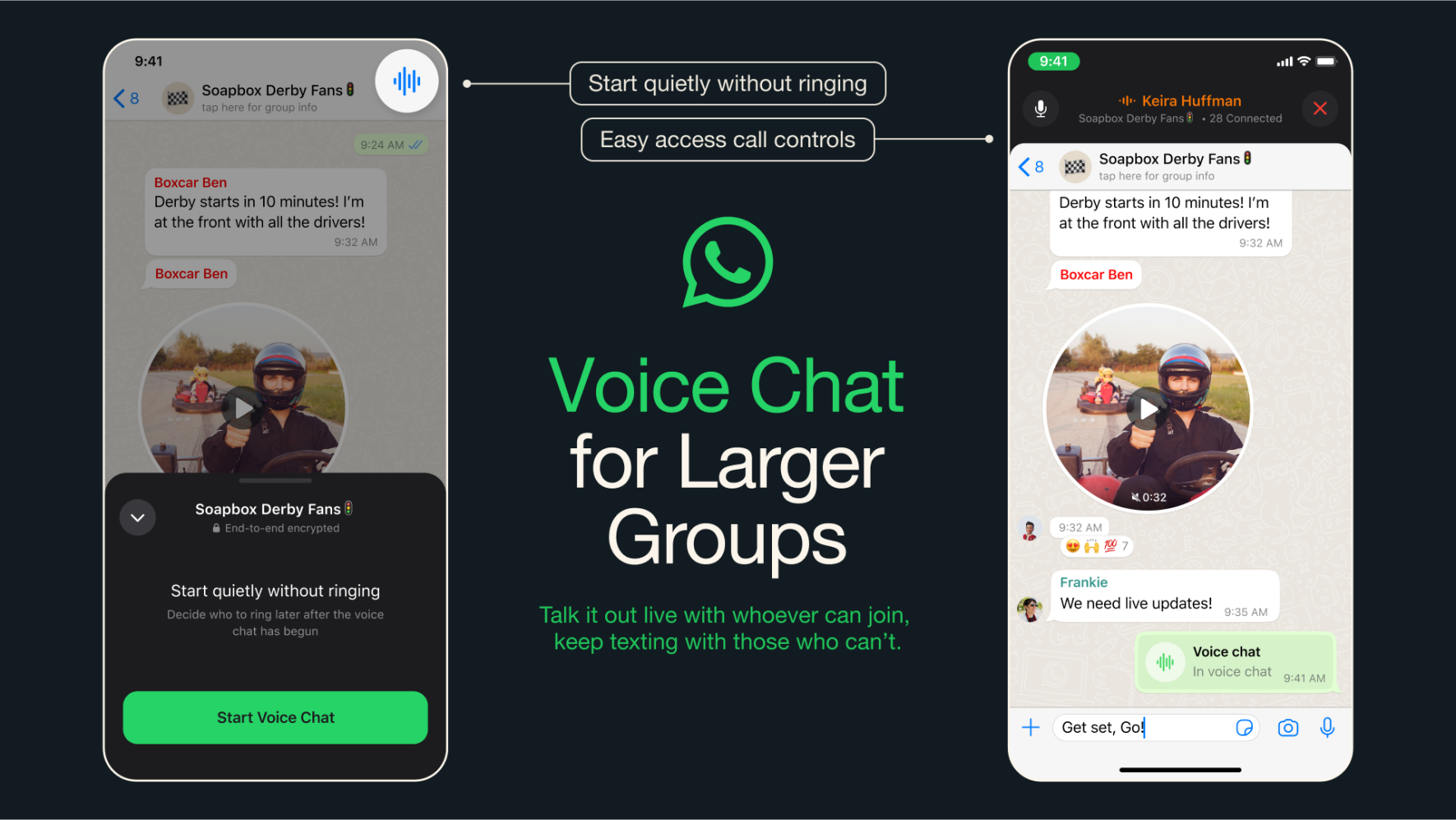
Group features foster connections. Create groups up to 1,024 members for events, teams, or hobbies. Communities bundle related groups, like a school with class subgroups.
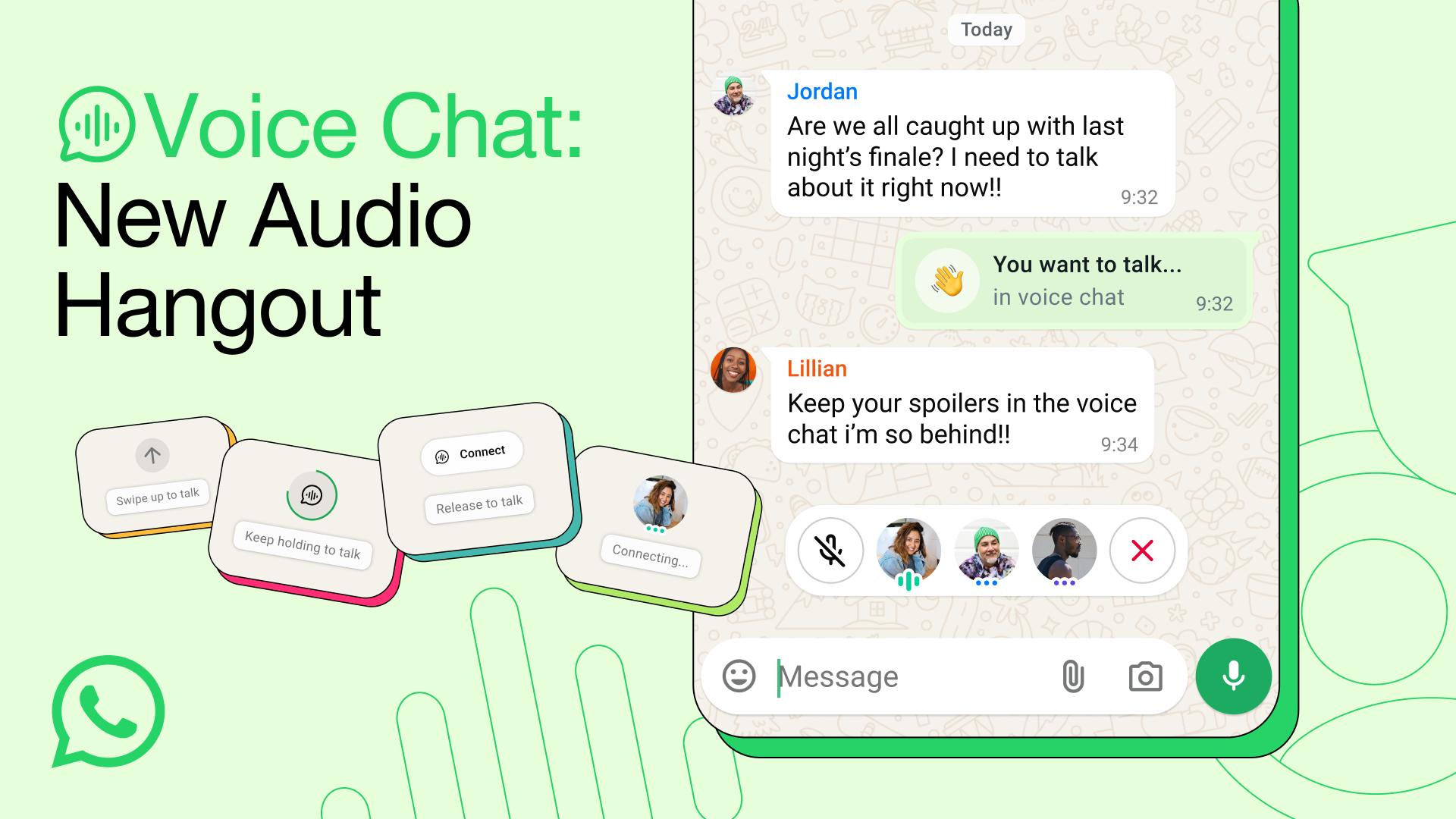
Over 50% of users join groups daily, per Meta. Voice chats for large groups (up to 128) mimic Discord but with encryption. This helps coordinate without endless emails.
5. Cross-Platform Compatibility
WhatsApp works on Android, iOS, Windows, Mac, and web browsers. Sync chats across devices effortlessly. In 2026, with multi-device support for up to 4 linked gadgets, it’s perfect for phone-to-laptop switches.
This universality appeals to diverse users. In the US, where iMessage dominates iPhones, WhatsApp bridges Android-iOS gaps, growing to 100 million users.
6. File Sharing and Multimedia Support
Send photos, videos, documents, and locations without limits. Compress files to save data—up to 100MB for docs, 16MB for media. Voice notes add personal touch.
Businesses share catalogs or invoices. A Chatarmin report notes 98% open rates for WhatsApp messages, far above email’s 20%.
7. Status Updates and Stories
Like Instagram Stories, WhatsApp Status lets users post temporary updates viewable for 24 hours. Share text, images, or links with contacts.
It’s popular for quick shares—over 500 million daily views. In cultures valuing privacy, selective viewing keeps it intimate.
8. Low Data Usage and Offline Functionality
WhatsApp optimizes for slow connections, using 5MB/hour for calls versus competitors’ 20MB. Offline messaging queues texts for sending later.
In developing regions like India (853 million users), this efficiency is crucial. It supports 60+ languages, making it accessible globally.
9. Business and Customer Service Tools
WhatsApp Business helps companies chat with customers. Features include quick replies, labels, and catalogs. 175 million people message businesses daily.
E-commerce thrives here—72% of users engage personalized messages, boosting sales by 20-30%, per YCloud data.
10. Reliability and Constant Updates
The app rarely crashes, with 99.9% uptime. Meta adds features like AI stickers, polls, and channels for broadcasts.
In 2026, integrations with Meta’s ecosystem (e.g., Facebook payments) enhance utility. Users trust it for critical comms, like emergencies or work.
Statistics Highlighting WhatsApp’s Popularity
- 3.14 billion monthly active users worldwide, per Chatarmin—up 5% from 2025.
- 100 billion daily messages, a 10% increase year-over-year.
- Top countries: India (853M), Brazil (148M), Indonesia (112M).
- US growth: 32% of adults use it, per Pew—highest among Hispanics (46%).
- Engagement: 83% open daily; average 38 minutes spent.
- Business impact: 70% of firms report higher satisfaction; 98% message open rate.
These numbers from sources like Backlinko and Statista show sustained dominance.
Comparisons: Why WhatsApp Over Alternatives?
Versus Telegram: WhatsApp prioritizes privacy over Telegram’s larger groups, with stricter anti-spam.
Versus Signal: Signal offers similar encryption but fewer users (50M vs. 3B), limiting reach.
Versus iMessage: Cross-platform edge makes WhatsApp global, unlike Apple’s ecosystem lock-in.
In business, it outperforms email with faster responses—60% click-through rate.
For screen recording during WhatsApp calls, tools like those in how to record screen with audio on Windows 11 help capture sessions easily. Explore more at Business to Mark.
Tips for Getting the Most Out of WhatsApp
- Customize privacy: Set who sees your last seen, profile photo, or status.
- Use shortcuts: Pin chats, star messages, or mute groups.
- Backup chats: Enable Google Drive or iCloud backups to avoid data loss.
- Explore WhatsApp Web: Scan QR for desktop access—great for work.
- Stay secure: Enable two-step verification and avoid suspicious links.
These steps enhance your experience, as shared by millions.
Challenges and Future Outlook
Despite strengths, WhatsApp faces misinformation issues. It limits forwards and adds fact-check labels. Privacy concerns with Meta linger, but encryption holds firm.
Looking ahead, AI integrations like chatbots and voice assistants will grow. By 2030, projections estimate 3.5 billion users. In the US, adoption could hit 50% with RCS compatibility.
FAQs About Why Do People Use WhatsApp
Is WhatsApp safe for personal data? Yes, end-to-end encryption protects chats. Avoid sharing sensitive info publicly.
Can I use WhatsApp without a phone number? No, it requires a number for verification, ensuring authenticity.
Why is WhatsApp popular in India? Low costs, multilingual support, and group features suit large families and communities.
Does WhatsApp work offline? You can read messages offline, but sending requires internet.
How does WhatsApp make money? Through business tools like API fees and premium features, not ads.
For advanced recording of WhatsApp tutorials, check best free inline screen recorders or ScreenRec.
Conclusion
WhatsApp’s success stems from free, secure, and feature-rich communication that connects billions. From its humble beginnings to 2026’s 3 billion users, it excels in privacy, calls, and groups. Why do people use WhatsApp? It simplifies life while saving time and money. As it evolves, it remains a go-to for personal and business needs.
What’s your top reason for using WhatsApp? Share in the comments!
References
- Backlinko: WhatsApp User Statistics 2026
- The New Yorker: How WhatsApp Took Over
- Chatarmin: WhatsApp Statistics 2026
- wikiHow: 17 Reasons People Use WhatsApp
- YCloud: 100+ WhatsApp Statistics
- D7Networks: 60 WhatsApp Business Statistics
- World Population Review: WhatsApp Users by Country
- Medium: Will WhatsApp Remain Popular in 2026?
- WANotifier: WhatsApp Statistics 2026
- Yahoo: WhatsApp in the US
- LinkedIn: WhatsApp Use Rising
- tyntec: WhatsApp Worldwide Statistics
- Screen Skills: Why Pay Attention to WhatsApp
- Reddit: Why Use WhatsApp in UK
- Blogging Wizard: 34 WhatsApp Statistics
- Threads: Global WhatsApp Stats
- YouTube: What is WhatsApp 2026