
Rice is one of the most important food crops in the world and a staple for millions of people across India. Achieving high yields and maintaining grain quality depend on several factors, including proper irrigation, balanced nutrition, timely crop management, and effective disease control. Among the biggest challenges faced by rice farmers are fungal diseases, which can significantly reduce productivity if left unmanaged.
Today, farmers have easier access to crop protection solutions as they can conveniently purchase pesticide online from trusted agricultural platforms. However, selecting the right fungicide for rice requires understanding crop diseases, application methods, and responsible usage. Making informed decisions helps protect crops while improving productivity and profitability.
Why Disease Management is Important in Rice Cultivation
Rice crops remain vulnerable to several fungal diseases throughout different stages of growth. Weather conditions such as high humidity, continuous rainfall, waterlogged fields, and fluctuating temperatures create favourable conditions for fungal infections.
If diseases are not identified and managed at the right time, farmers may experience:
- Reduced plant vigour
- Poor tillering
- Leaf damage
- Lower grain filling
- Reduced yield
- Poor grain quality
- Increased production costs
Timely crop monitoring and preventive disease management play a crucial role in maintaining healthy rice fields.
Common Fungal Diseases in Rice
Several fungal diseases affect rice production across different regions.
Rice Blast
Rice blast is among the most common fungal diseases affecting rice crops.
It attacks leaves, stems, nodes, and panicles, reducing photosynthesis and affecting grain development.
Early detection and timely fungicide application are essential to minimise damage.
Sheath Blight
Sheath blight usually develops under warm and humid conditions.
The disease spreads rapidly in dense crop canopies and may reduce grain yield if not managed effectively.
Maintaining proper field management along with timely fungicide application helps reduce disease severity.
Brown Spot
Brown spot appears as small brown lesions on rice leaves and may affect overall plant growth.
Poor soil nutrition and unfavourable weather conditions often increase disease incidence.
Balanced crop nutrition combined with disease management helps reduce crop losses.
False Smut
False smut mainly affects rice grains during the reproductive stage.
The disease reduces grain quality and market value, making preventive management important for commercial rice cultivation.
Understanding Fungicides
A fungicide is a crop protection product designed to prevent, suppress, or control fungal diseases affecting crops.
A suitable fungicide for rice helps reduce disease spread while protecting plant health during critical growth stages.
Fungicides are generally used as part of an integrated disease management strategy rather than as a standalone solution.
Choosing the Right Fungicide for Rice
Selecting an appropriate fungicide depends on several important factors.
Identify the Disease Correctly
Different fungal diseases require different management approaches.
Accurate disease identification helps farmers select products that target the specific pathogen affecting the crop.
Consider Crop Growth Stage
The effectiveness of fungicides often depends on when they are applied.
Applications should follow recommended crop stages to maximise disease control while protecting yield potential.
Follow Recommended Dosage
Using excessive or insufficient quantities may reduce effectiveness and increase unnecessary costs.
Always apply products according to the manufacturer’s instructions and agricultural recommendations.
Rotate Fungicides
Repeated use of the same active ingredient may contribute to resistance development in fungal populations.
Rotating products with different modes of action helps improve long-term disease management.

Benefits of Timely Fungicide Application
Using a suitable fungicide for rice at the correct time offers several advantages.
Protects Crop Health
Healthy plants are better able to utilise nutrients, withstand environmental stress, and produce higher yields.
Improves Grain Quality
Disease-free crops generally produce better-quality grains with improved market value.
Reduces Yield Losses
Timely disease management prevents fungal infections from spreading across the field, protecting overall productivity.
Supports Sustainable Crop Management
Responsible fungicide use as part of integrated disease management helps minimise unnecessary chemical applications while maintaining effective disease control.
Advantages of Buying Pesticide Online
The rapid growth of digital agriculture has made it easier for farmers to buy pesticide online without depending solely on local retail outlets.
Online agricultural platforms offer several benefits.
Convenient Purchasing
Farmers can order crop protection products from any location, reducing travel time and improving accessibility.
Access to Product Information
Reliable online platforms provide detailed information about:
- Target crops
- Recommended applications
- Usage instructions
- Safety precautions
- Product specifications
This enables farmers to make informed purchasing decisions.
Wide Product Availability
Online stores often offer a larger selection of agricultural products, including:
- Fungicides
- Insecticides
- Herbicides
- Plant growth regulators
- Seed treatment products
- Crop nutrition solutions
Having multiple options allows farmers to compare products before purchasing.
Better Planning
Ordering products online before the disease season begins ensures timely availability during critical crop stages.
Proper planning reduces delays in crop protection activities.
Best Practices for Fungicide Application
To maximise effectiveness, farmers should follow good agricultural practices.
These include:
- Monitor crops regularly for early disease symptoms.
- Apply fungicides only when required.
- Use recommended spray equipment.
- Follow label instructions carefully.
- Avoid spraying during strong winds or heavy rainfall.
- Wear appropriate protective equipment.
- Store crop protection products safely.
Responsible application improves both crop protection and environmental safety.
Integrated Disease Management in Rice
Effective disease control involves more than fungicide application alone.
Farmers should combine fungicides with other good agricultural practices such as:
- Using disease-tolerant varieties
- Balanced fertiliser application
- Proper water management
- Crop rotation
- Field sanitation
- Timely sowing
- Regular crop scouting
Integrated disease management provides long-term protection while supporting sustainable farming.
Future of Digital Agriculture
The adoption of online agricultural services continues to increase across India.
Farmers now benefit from digital platforms that offer technical guidance, weather updates, product information, and convenient purchasing options.
As digital farming expands, online access to quality agricultural inputs will continue improving crop management and decision-making.
Conclusion
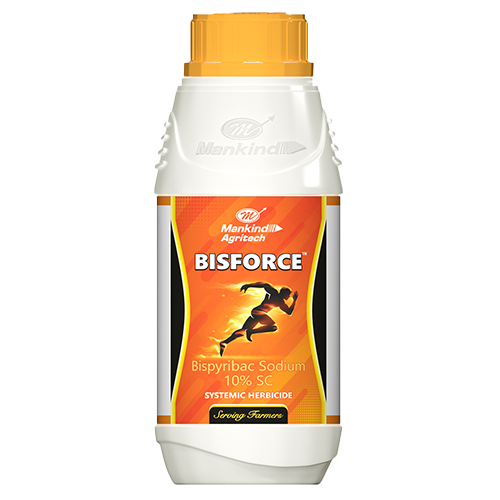
Choosing the right fungicide for rice is essential for protecting crops against fungal diseases, improving grain quality, and maintaining high productivity. Equally important is purchasing genuine crop protection products from trusted sources when deciding to buy pesticide online. By combining responsible fungicide use with integrated crop management practices, farmers can improve both crop health and long-term farm profitability. Mankind Agritech Limited supports modern agriculture by providing reliable crop protection solutions that help farmers manage diseases effectively while promoting sustainable agricultural growth.