Shoe comfort starts before the first step, and packaging sets the first view. Shoppers often judge quality by how the box feels and looks. Sturdy material gives a sense of care and safety for the shoes inside. A neat design helps shoppers find the right size and style quickly. Clear labels reduce mistakes and returns, and that saves time for stores. A strong box also keeps the shoe shape during shipping and store handling. Brands can use this to build trust and repeat sales. Firm edges keep stacks tight.
How does a sturdy box shape comfort expectations?
Sturdy boxes signal that shoes arrive without damage and stay in proper shape. Shoppers link strong box material with stable soles and better foot support daily. Thin boxes can suggest weak soles, low foam, and poor fit inside the retail display. A box that bends makes shoes look misshaped before the first opening. Brands using thick boards show clear care for the product and user. This care builds trust, and trust helps shoppers believe in comfort claims. Store staff notice sturdy boxes and place them on top shelves more often.
How do clear labels guide shoppers to the right fit?
Clear labels help shoppers match shoe size, style, and color in seconds. Labels that list material and support features reduce guesswork at the shelf. Shoppers avoid wrong choices when labels show arch support and heel height. Retail staff also use labels to keep stock organized and easy to find. Fewer mistakes mean fewer returns, and returns often harm brand trust. Brands can test label formats with small groups before large runs. Good label design makes the shopping task faster and less stressful for clients.
How does inner padding keep shoes fresh and stable?
Inner padding keeps shoes from rubbing against each other during transport. Soft inserts also protect the shoe shape and the stitched seams. When shoes stay stable, the first wear feels closer to the store sample. Loose items inside a box can shift and create creases in leather. Brands that add simple paper support cut crease marks and scuffs. Some tests show that protected shoes keep their shape for longer days. Stable shoes build a sense of care, and care links to comfort claims.
How do custom graphics signal premium comfort for shoes?
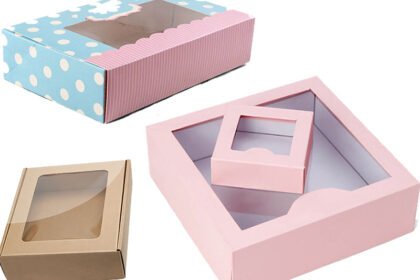
Graphics can show the shoe purpose, like running, walking, or work use. Simple icons and clean lines help shoppers understand the product fast. Bold color blocks can guide attention to key features and care notes. Some brands use a small window to show the material and texture. Strong visuals can also match the shoe style, making the box feel like a gift. One common choice is Personalized Shoe Boxes that match the brand logo and theme. Such boxes often increase the sense of value when the box opens.
How do brand marks build trust before the first try?
Brand marks help shoppers recognize the maker and past product quality. A clear logo on the box also supports store staff in restocking. When the mark looks consistent across boxes, shoppers see a steady brand image. Consistency makes shoppers feel that the product is made with care. Some brands add a small story about materials and comfort tests on the box. Pack marks can also include a simple code for batch tracking and safety. UPacked in the USA offers strong box solutions for many shoe brands.
How does box size and shape affect the first touch?
A box that fits the shoe shape feels balanced when held in hand. Too large boxes allow the shoe to move, and that feels careless. Too small boxes can squeeze the shoe and leave creases on leather. Square boxes often stack well, and stacks look neat on store shelves. Neat stacks help shoppers see the brand clearly from a distance. Brands can measure the shoe plus paper and choose the best box size. A good size choice makes the opening feel smooth and the shoe feels ready.
How do simple unpackaging steps improve comfort belief?
Easy unpackaging makes the first moment feel calm and clean for shoppers. Complex wraps can cause tearing and leave paper bits on the shoe. One clear step is a pull tab that opens the box in one move. Another step is a small card that shows care tips and fit notes. Shoppers often recall the first unpackaging when thinking about the brand later. Custom apparel boxes packaging also lowers the chance of a damaged shoe during opening. Brands can test unpackaging steps with staff before finalizing the design.
How do protective covers keep the shoe’s feel consistent?
Protective covers keep dust off the shoe surface during store display. Clean shoes make the first try feel closer to the original product. Thin covers can tear, so brands choose stronger paper or cloth sheets. Some covers also reduce scratches on smooth leather and plastic parts. Cover design can include a small note about care and storage. When the shoe stays clean, the comfort feel stays true for the first wear. Strong covers also help shoes keep their shape in the box over time.