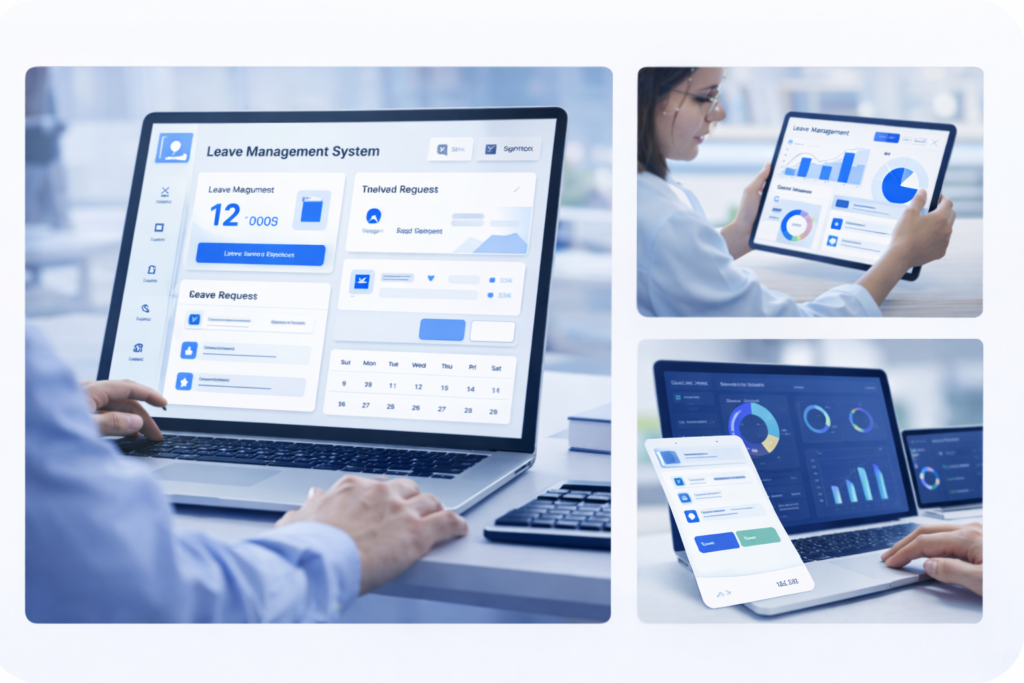
In today’s evolving work environment, organizations are constantly looking for smarter ways to manage their workforce efficiently. One of the most critical aspects of human resource management is handling employee leave effectively. With the rise of hybrid work models, remote teams, and global operations, a modern employee leave management system has become essential for ensuring accuracy, transparency, and productivity.
An employee leave management system is a digital solution that automates the process of applying, tracking, approving, and managing employee leave. It replaces outdated manual methods like spreadsheets and emails, offering a centralized platform that simplifies leave-related operations for both employees and HR teams.
Why Leave Management is Crucial in 2026
The modern workplace is more dynamic than ever. Employees expect flexibility, quick responses, and seamless digital experiences. At the same time, HR teams must ensure compliance with labor laws, maintain accurate records, and manage workforce availability.
Without a proper system, organizations may face several challenges:
- Confusion over leave balances
- Delays in approvals
- Payroll inaccuracies
- Lack of visibility into employee availability
- Increased administrative workload
A well-implemented employee leave management system addresses these issues and helps organizations operate more efficiently.
Key Features of a Modern Employee Leave Management System
Easy Leave Application
Employees can apply for leave through a simple interface, eliminating the need for emails or manual forms. This improves convenience and reduces communication gaps.
Automated Approval Workflows
Managers receive instant notifications and can approve or reject requests quickly. Automated workflows ensure that no request is overlooked.
Real-Time Leave Tracking
Employees can check their leave balances anytime, while HR teams can monitor leave data in real time.
Customizable Leave Policies
Organizations can define different leave types, such as sick leave, casual leave, earned leave, and unpaid leave, based on company policies.
Calendar Integration
A shared leave calendar allows teams to see who is on leave, making it easier to plan projects and manage workloads.
Reporting and Analytics
HR teams can generate reports on leave patterns, absenteeism, and employee behavior, enabling better decision-making.
Benefits for Organizations
Increased Efficiency
Automation reduces manual work, allowing HR professionals to focus on strategic initiatives.
Improved Accuracy
The system minimizes errors in leave calculations and payroll processing.
Enhanced Transparency
Employees have complete visibility into their leave status, which builds trust and improves communication.
Better Workforce Planning
Managers can plan resources effectively by knowing employee availability in advance.
Compliance Management
The system helps organizations comply with labor laws and internal policies by maintaining accurate records.
Impact on Employee Experience
A seamless leave process significantly enhances employee satisfaction. When employees can easily apply for leave and receive timely approvals, it creates a positive work environment.
Modern systems also empower employees by giving them control over their leave data. This transparency reduces dependency on HR teams and fosters a sense of trust within the organization.
Integration with Modern HR Tools
An employee leave management system works best when integrated with other HR functions such as payroll, attendance, and performance management. This integration ensures data consistency and eliminates duplication.
When connected with HRMS Software, organizations can create a unified system where all employee data is synchronized. This not only improves efficiency but also provides a holistic view of workforce management.
Common Challenges Without a Leave Management System
Organizations that rely on manual processes often encounter issues such as:
- Time-consuming approval cycles
- Difficulty in tracking leave records
- Errors in leave calculations
- Lack of centralized data
- Miscommunication between teams
These challenges can negatively impact productivity and employee morale.
Best Practices for Implementation
To successfully implement an employee leave management system, organizations should follow these best practices:
Define Clear Policies
Establish clear leave rules and communicate them effectively to all employees.
Choose User-Friendly Software
Select a system that is easy to use and requires minimal training.
Provide Training
Ensure that employees and managers understand how to use the system efficiently.
Monitor and Improve
Continuously evaluate the system’s performance and make improvements based on feedback.
Future of Leave Management Systems
As technology continues to evolve, leave management systems are becoming more advanced and intelligent. Some emerging trends include:
AI-Driven Insights
Artificial intelligence helps analyze leave patterns and predict absenteeism.
Mobile-First Approach
Employees can manage leave on the go using mobile applications.
Self-Service Portals
Employees can independently handle leave requests, reducing HR dependency.
Advanced Analytics
Organizations gain deeper insights into workforce trends and productivity.
Conclusion
In 2026, an employee leave management system is no longer just a convenience—it is a necessity for modern workplaces. It streamlines processes, improves accuracy, and enhances employee satisfaction.
By adopting a digital and automated approach, organizations can overcome the limitations of manual systems and create a more efficient and transparent work environment. As businesses continue to grow and adapt to new challenges, investing in a reliable leave management system will be key to achieving long-term success.

