Operational costs are everyday expenses that a business faces to continue running. These include the cost of materials, labor, storage, and shipping. Understanding operational costs matters because profit depends on controlling expenses. A company could sell a product at a good price, but high operational costs can quickly reduce profit quickly. Imagine a small startup selling candles. Spending too much on packaging, shipping, or materials may leave almost no money after paying expenses. Reducing operational costs allows businesses to invest more in growth or expand product lines. Large orders help reduce expenses in ways smaller orders cannot.
How Can Buying in Bulk Save Money?
Businesses that place large orders for supplies or packaging often get lower prices from suppliers. Bulk purchasing guarantees steady sales for suppliers and reduces handling on their side, which lowers the cost per item. For example, ordering 1,000 boxes at once instead of 100 every month often comes with a discount. Bakery ordering pastry boxes every week pays more for small quantities. Switching to bulk order reduced the monthly cost.
Bulk purchasing also reduces time spent on placing repeated orders. Fewer orders mean less communication with suppliers, less tracking of shipments, and less chance of mistakes.
Why Do Large Orders Reduce Shipping Expenses?
Shipping can make up a large part of operational expenses. Sending small packages usually costs more per item than shipping in bulk. Large orders allow businesses to combine shipments, reducing the number of trips, fuel cost, and packaging material usage. A skincare company sending ten small packages every day spends more than sending one large weekly shipment. Consolidating shipments saved money and labor.
Shipping cost reduction also comes from avoiding rush shipments. Emergency or last-minute shipments are expensive. Bulk orders allow suppliers to schedule delivery efficiently, lowering costs. A Canadian startup selling handmade jewelry initially shipped items separately. High shipping costs left less money for growth. Bulk shipment reduced cost, helping businesses spend on packaging quality and marketing.
How Do Large Orders Help Reduce Labor Costs?
Processing many small orders requires more work. Workers must pack, label, and organize multiple shipments, which increases labor costs. Large orders simplify workflow. Staff can focus on fewer batches of products, completing tasks faster. A small e-commerce store selling custom products noticed that preparing multiple small orders took hours daily. Combining orders into larger batches reduced staff hours. Saved hours allowed employees to focus on customer service, inventory planning, and product improvement.
Labor cost reduction also comes from a lower error rate. Smaller batches often lead to mistakes during packaging or shipping. Large batches with proper planning reduce mistakes, saving money and time needed to correct errors. This has long-term impact on operational cost by reducing wasted labor and rework.
Can Bulk Purchasing Improve Inventory Management?
Ordering in bulk helps maintain stable inventory. Small orders can create shortages or frequent restocking needs. Bulk orders ensure stock availability and reduce emergency orders. A clothing store running out of popular sizes often lost sales. Ordering larger quantities at once kept shelves stocked.
Stable inventory also allows businesses to plan promotions, bundles, and sales campaigns. With known stock levels, businesses can schedule sales without risk of running out of products. Bulk purchasing also simplifies warehouse organization. Staff can categorize products better, reduce movement, and reduce damage from constant handling.
How Do Suppliers Benefit From Large Orders?
Suppliers benefit from large orders because preparation and shipping cost is lower per unit. Producing a large batch of boxes or products at once is faster than handling many small orders. This efficiency reduces supplier cost, which often results in discounts for buyers. A packaging supplier producing 5,000 boxes at once spent less than producing 500 boxes five times.
Bulk orders also reduce communication burden on suppliers. With fewer orders, suppliers can plan production schedules and allocate resources better. This efficiency helps maintain a steady relationship between business and supplier, further reducing operational surprises or delays.
Why Are Large Orders Useful for Custom Packaging Needs?
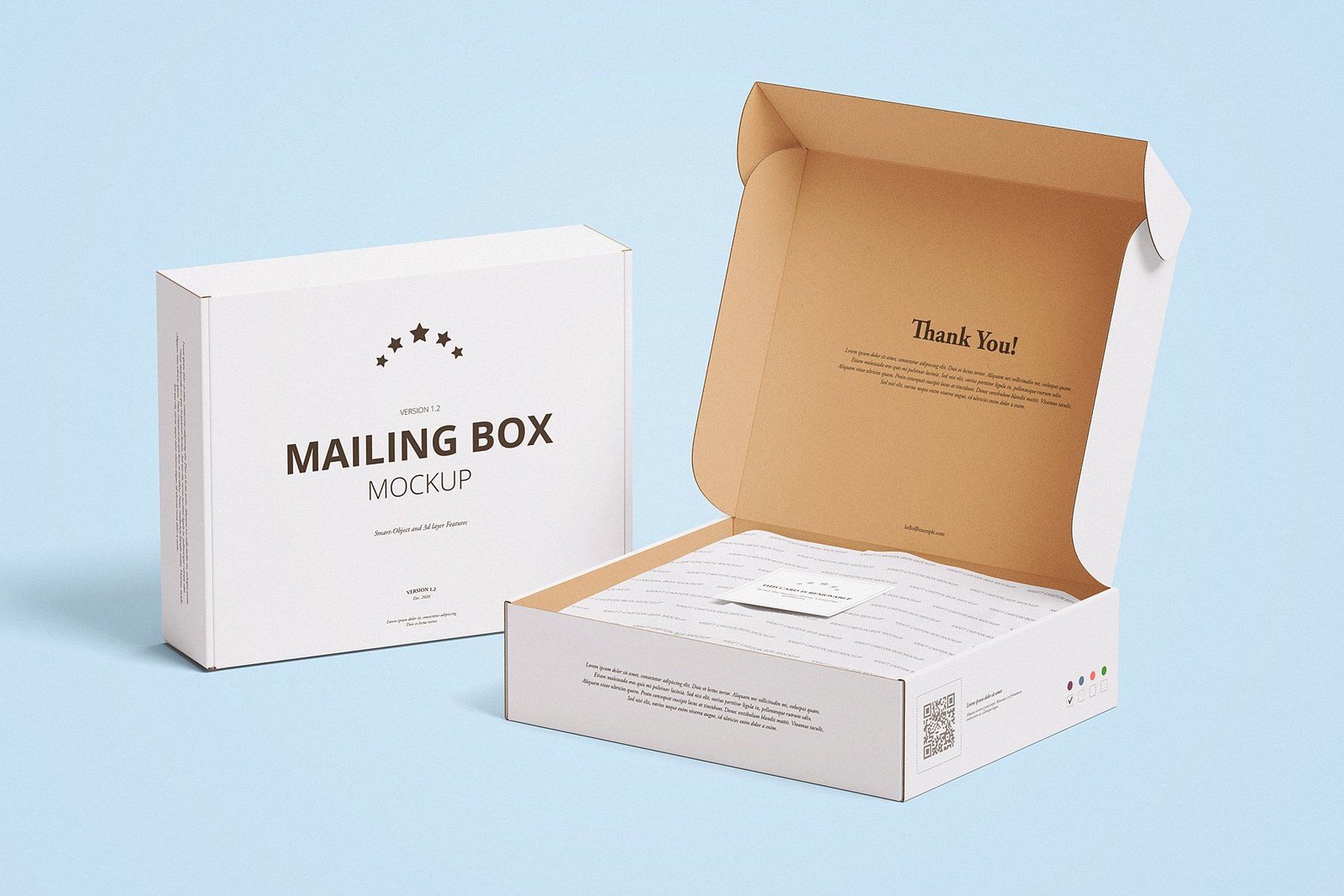
For businesses using custom boxes, bulk orders are very useful. Custom packaging involves design cost, setup fee, and printing cost. Ordering a few boxes at a time spreads setup cost over small quantities, increasing cost per box. Bulk order distributes setup cost across many boxes, reducing unit cost.
A cosmetics startup designing lipstick boxes found ordering 10,000 boxes at once reduced cost per box. Consistent design across large batches improves customer experience. Companies using Wholesale Mailer Boxes from Packlim can order large quantities and maintain uniform look, reducing worry about stock running out or mixing designs.
How Can Businesses Reduce Waste With Bulk Orders?
Small frequent orders can create waste from leftover packaging or unused stock. Bulk orders reduce waste by allowing proper planning. A tea company ordering boxes weekly often ended up with leftover materials. Switching to bulk orders reduced waste and allowed standardization of packaging.
Waste reduction also lowers storage cost. Less leftover material means less space required. Businesses can store products and materials efficiently. Using bulk orders, staff can track stock better, preventing expired or obsolete products. Lower waste, lower storage cost, and lower replacement need all contribute to reduced operational cost.
What Role Does Technology Play in Managing Large Orders?
Technology is crucial in handling large orders. Inventory software, order tracking systems, and warehouse management tools help staff monitor stock, deliveries, and supplier deadlines. Without software, bulk orders may become confusing, causing errors and extra cost.
A startup invested in software to manage packaging orders. Staff tracked shipments, avoided overstock, and planned warehouse space better. Software also allowed easy communication with suppliers and scheduling of delivery. Technology reduces mistakes, saves time, and ensures business gets maximum benefit from bulk orders.
Can Large Orders Improve Shipping Reliability?
Large orders often improve shipping reliability. Suppliers can plan production and delivery schedules better, reducing delays. Fewer shipments mean lower chance of damaged or lost packages. A jewelry store sending small shipments daily found packages often delayed. Consolidating into bulk shipment improved reliability, reduced cost from lost items, and maintained customer trust.
Reliable shipping also improves customer satisfaction. Customers receiving products on time are more likely to repeat purchases. Bulk orders indirectly reduce operational cost by reducing customer service effort and refunds caused by lost shipments.
How Does Bulk Ordering Influence Branding and Marketing?
Bulk orders support brand consistency. Using custom boxes in bulk ensures every product shipped carries the same design. Packlim allows businesses to order custom styles of boxes in bulk, ensuring consistent look for all products. Consistent packaging helps customers recognize brands, which increases repeat purchases.
Bulk orders also allow planning of promotional campaigns. Businesses can schedule seasonal sales or product launches knowing stock is ready. Consistent packaging reduces risk of mismatch, strengthens brand identity, and saves money by avoiding reprinting or emergency orders.
What Are Key Takeaways for Businesses Considering Large Orders?
Large orders reduce operational costs by lowering material cost, shipping cost, labor cost, waste, and improving inventory and brand consistency. Businesses using bulk orders focus on growth rather than daily operations. Companies like Packlim make ordering custom boxes easy, saving money while providing custom boxes for products. Understanding the effect of large orders helps businesses make smarter purchasing decisions and improve profit.
Businesses can use bulk orders to plan growth strategy, improve customer experience, and reduce repetitive tasks. Bulk orders create efficiency in production, shipping, and storage, helping staff focus on long-term improvements. Using bulk orders, businesses can reduce operational stress, lower cost, and plan expansion without sudden surprises in supply or expense.

