The aerospace industry depends on electronic systems that must perform flawlessly in some of the world’s most demanding environments. From commercial aircraft and military platforms to satellites and unmanned aerial vehicles (UAVs), every electronic component must withstand extreme temperatures, vibration, altitude changes, electromagnetic interference, and continuous operational stress. At the centre of these systems is the electronic chassis, which provides structural support, thermal management, and protection for sensitive electronics. This makes aerospace electronic chassis manufacturing a critical part of modern aerospace engineering.
Equally important is avionic chassis design and manufacturing, where every enclosure is engineered to meet stringent aerospace standards while ensuring reliability, durability, and efficient system integration. High-quality chassis solutions protect mission-critical electronics while supporting long-term operational performance in challenging environments.

Understanding Aerospace Electronic Chassis
An aerospace electronic chassis is much more than a metal enclosure. It serves as the structural framework that houses avionics, communication systems, power electronics, control modules, and mission-critical computing equipment.
Besides protecting sensitive electronics from environmental hazards, the chassis also plays a significant role in:
- Thermal management
- Electromagnetic shielding
- Structural stability
- Equipment mounting
- Cable management
- Weight optimisation
A well-engineered chassis directly contributes to the safety, reliability, and performance of aerospace systems.
Why Precision Manufacturing Is Essential
Unlike commercial electronic enclosures, aerospace chassis must comply with strict industry standards and operate reliably under harsh conditions.
Professional aerospace electronic chassis manufacturing focuses on achieving tight tolerances, exceptional material quality, and precision assembly. Every component is manufactured with meticulous attention to detail because even minor dimensional variations can affect equipment integration and system reliability.
Advanced quality control processes ensure every chassis performs consistently throughout its operational life.
Key Design Considerations for Avionic Chassis
Effective avionic chassis design and manufacturing requires balancing multiple engineering requirements simultaneously.
Lightweight Construction
Weight is one of the most critical considerations in aerospace engineering. Every additional kilogram increases fuel consumption and operating costs.
Engineers use lightweight materials such as aluminium alloys, magnesium, titanium, and advanced composites to reduce overall system weight without compromising structural integrity.
Thermal Management
Electronic equipment generates heat continuously during operation.
Proper chassis design incorporates:
- Integrated heat sinks
- Cooling channels
- Airflow optimisation
- Conductive cooling surfaces
- Heat dissipation pathways
Efficient thermal management protects electronic components while improving long-term reliability.
Electromagnetic Interference (EMI) Shielding
Modern aircraft contain numerous electronic systems operating simultaneously.
Well-designed chassis minimise electromagnetic interference by incorporating specialised shielding techniques that prevent signal disruption between critical systems.
Structural Strength
Aircraft experience vibration, shock loading, rapid pressure changes, and continuous mechanical stress.
Chassis structures must withstand these conditions without deformation or performance degradation throughout their service life.
Materials Used in Aerospace Chassis Manufacturing
Material selection significantly influences durability, weight, corrosion resistance, and thermal performance.
Common materials include:
- Aerospace-grade aluminium
- Stainless steel
- Titanium alloys
- Magnesium alloys
- High-performance composites
Each material is selected according to the application’s environmental conditions, structural requirements, and thermal performance objectives.
Advanced Manufacturing Technologies
Modern aerospace chassis production combines engineering expertise with precision manufacturing technologies.
These include:
CNC Precision Machining
High-accuracy CNC machining produces complex components with extremely tight tolerances required for aerospace applications.
Precision Sheet Metal Fabrication
Laser cutting, precision bending, and advanced forming techniques create lightweight structural assemblies with exceptional dimensional accuracy.
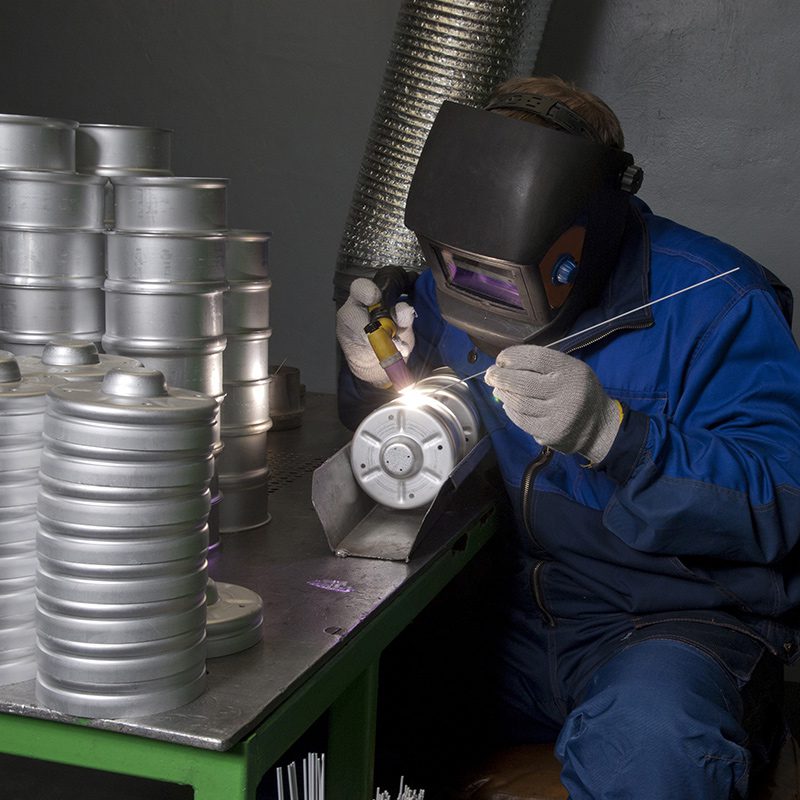
Welding and Assembly
Specialised welding processes ensure structural integrity while maintaining material performance and dimensional stability.
Surface Finishing
Protective coatings, anodising, passivation, and corrosion-resistant treatments improve durability while meeting aerospace specifications.
Quality Assurance and Industry Compliance
Every aerospace component must undergo rigorous inspection before entering service.
Professional manufacturers implement comprehensive quality assurance procedures including:
- Dimensional inspection
- Material verification
- Mechanical testing
- Thermal performance evaluation
- EMI testing
- Functional validation
- Traceability documentation
Compliance with recognised aerospace standards ensures product reliability throughout demanding operational environments.
Applications Across the Aerospace Industry
Precision electronic chassis support a wide variety of aerospace systems.
These include:
- Flight control computers
- Navigation systems
- Radar equipment
- Communication systems
- Mission computers
- Satellite electronics
- UAV platforms
- Defence electronics
- Power distribution units
- Electronic warfare systems
Each application requires customised engineering to meet specific environmental and operational demands.
Benefits of Custom Avionic Chassis Design
Partnering with experienced engineering specialists provides several important advantages.
Custom-designed chassis offer:
- Improved system integration
- Enhanced thermal performance
- Reduced equipment weight
- Greater structural reliability
- Better electromagnetic compatibility
- Longer service life
- Easier maintenance and upgrades
Tailored engineering solutions ensure every chassis aligns perfectly with the customer’s technical and operational requirements.
Conclusion
Professional aerospace electronic chassis manufacturing plays a vital role in protecting sensitive avionics while ensuring reliable performance in demanding operating environments. Likewise, expert avionic chassis design and manufacturing delivers lightweight, thermally efficient, and structurally robust solutions that support today’s advanced aerospace systems. Through innovative engineering, precision manufacturing, and uncompromising quality standards, Parfuse Corporation helps aerospace organisations develop dependable electronic chassis that perform when reliability matters most.